

Do rock splitters produce a lot of noise? This is a question that often comes up when considering the use of rock splitters in various construction and mining projects. As a supplier of high - quality rock splitters, I'd like to delve into this topic in detail to provide you with comprehensive information.
Understanding Rock Splitters
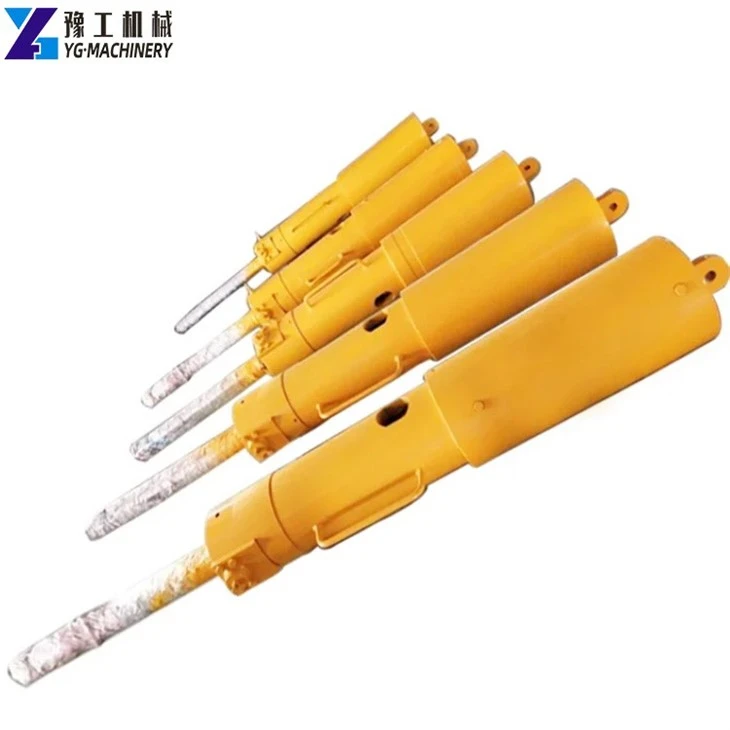
Before discussing the noise issue, it's essential to understand what rock splitters are and how they work. Rock splitters are powerful tools designed to break large rocks, concrete, and other hard materials into smaller, more manageable pieces. There are different types of rock splitters available on the market, such as the Rock Splitter for Excavator, Hydraulic Concrete Splitter, and Hydraulic Splitter for Rock.
Most rock splitters operate based on hydraulic principles. A hydraulic pump generates high - pressure fluid, which is then transferred to the splitter's wedge - shaped components. The pressure forces the wedges apart, creating a powerful splitting force that fractures the rock or concrete.
Noise Generation in Rock Splitters
Now, let's focus on the noise aspect. The noise produced by rock splitters mainly comes from two sources: the hydraulic system and the actual splitting process.
The hydraulic system is a significant contributor to the noise. The hydraulic pump, which is responsible for generating the high - pressure fluid, can produce a considerable amount of noise. When the pump operates, the mechanical parts inside it move rapidly, causing vibrations and generating sound waves. The intensity of the noise from the hydraulic pump depends on several factors, such as the pump's power, design, and operating pressure. High - power pumps generally produce more noise than low - power ones.
The splitting process itself also generates noise. When the rock or concrete is fractured, there is a sudden release of energy, which creates a loud cracking or popping sound. The magnitude of this noise depends on the size and hardness of the material being split. For example, splitting a large, dense rock will typically produce a louder noise than splitting a small, less - dense piece of concrete.
Measuring the Noise Level
To accurately assess whether rock splitters produce a lot of noise, we need to measure the noise level. Noise is measured in decibels (dB). A normal conversation usually has a noise level of around 60 dB, while a busy street can reach 70 - 80 dB.

The noise level of rock splitters can vary widely. On average, a typical rock splitter may produce noise levels in the range of 80 - 100 dB. However, in some cases, especially when splitting large or extremely hard materials, the noise level can exceed 100 dB. For comparison, a chainsaw usually has a noise level of around 100 - 120 dB.
It's important to note that continuous exposure to noise levels above 85 dB can cause hearing damage over time. Therefore, when using rock splitters, it's crucial to take appropriate noise - reduction measures to protect the operators and those in the vicinity.
Factors Affecting Noise Levels
Several factors can influence the noise levels produced by rock splitters.
1. Design and Quality of the Rock Splitter
Well - designed rock splitters with high - quality components tend to produce less noise. Manufacturers can use advanced design techniques and high - precision manufacturing processes to reduce the vibrations and noise generated by the hydraulic system. For example, some modern rock splitters are equipped with noise - dampening materials around the hydraulic pump to absorb and reduce the sound waves.
2. Operating Conditions
The operating conditions also play a role in the noise level. If the rock splitter is operated at a high - pressure setting for an extended period, it will likely produce more noise than when operated at a lower pressure. Additionally, the temperature and humidity of the working environment can affect the performance of the hydraulic system and, consequently, the noise level.
3. Maintenance
Proper maintenance of the rock splitter is essential for keeping the noise level in check. A poorly maintained rock splitter may have worn - out parts, loose connections, or dirty hydraulic fluid, all of which can increase the noise level. Regular maintenance, including checking and tightening connections, replacing worn parts, and changing the hydraulic fluid, can help reduce the noise.
Noise Reduction Measures
As a rock splitter supplier, we understand the importance of noise reduction. Here are some effective noise - reduction measures that can be implemented:
1. Use of Noise - Reducing Equipment
We offer rock splitters with built - in noise - reduction features. For example, some of our models are equipped with silencers on the hydraulic pumps. These silencers are designed to absorb and dissipate the sound waves, reducing the overall noise level. Additionally, we provide sound - insulating covers that can be placed around the rock splitter to further reduce the noise.
2. Proper Installation and Setup
Ensuring proper installation and setup of the rock splitter can also help reduce noise. The rock splitter should be installed on a stable and level surface to minimize vibrations. Using vibration - dampening pads under the equipment can further reduce the transmission of vibrations and noise to the surrounding environment.
3. Operator Training
Training the operators on proper operating techniques can also contribute to noise reduction. Operators should be taught to use the rock splitter at the appropriate pressure and speed settings. Avoiding over - pressurizing the system can not only reduce noise but also extend the lifespan of the equipment.
Comparing Rock Splitters with Other Rock - Breaking Methods
When considering the noise issue, it's also useful to compare rock splitters with other rock - breaking methods, such as blasting.
Blasting is a common method used in large - scale mining and construction projects. However, blasting produces extremely high - intensity noise, often reaching levels of 130 - 160 dB. In addition to the noise, blasting also has other drawbacks, such as the risk of flying debris and environmental pollution.
In contrast, rock splitters are generally much quieter. They offer a more controlled and less - noisy alternative for breaking rocks and concrete, making them a preferred choice in many situations where noise is a concern, such as in urban areas or near residential buildings.
Conclusion
So, do rock splitters produce a lot of noise? It depends on your perspective. Compared to some other rock - breaking methods like blasting, rock splitters are relatively quiet. However, they do produce a certain amount of noise, mainly from the hydraulic system and the splitting process.
The noise level of rock splitters can be influenced by various factors, but with proper design, installation, and maintenance, as well as the use of noise - reduction measures, the noise can be effectively controlled.
If you are in the market for a rock splitter and are concerned about noise levels, we are here to help. Our range of Rock Splitter for Excavator, Hydraulic Concrete Splitter, and Hydraulic Splitter for Rock is designed with noise - reduction features in mind.
We invite you to contact us for more information about our products and to discuss your specific requirements. Whether you are working on a small - scale construction project or a large - scale mining operation, we can provide you with the right rock splitter solution. Start a conversation with us today to explore how our high - quality rock splitters can meet your needs while minimizing noise impact.
References
- "Hydraulic Systems: Principles, Operation, and Maintenance" by Joseph A. Scheidler
- "Noise Control Engineering: Principles and Applications" by Cyril M. Harris