

Determining the minimum space requirement for installing a lift platform is a crucial step that demands careful consideration. As a seasoned supplier of lift platforms, I understand the complexities involved in this process and the importance of getting it right. In this blog post, I'll delve into the key factors influencing the space requirements and provide practical guidance to help you make informed decisions.
Factors Affecting Space Requirements
Lift Platform Type
Different types of lift platforms have varying space needs. For instance, a Mobile Hydraulic Lift Platform is designed to be mobile and can often operate in relatively confined spaces. These platforms are typically used for tasks such as maintenance work in warehouses or construction sites. They usually have a smaller footprint when retracted, but you need to account for the space required for the platform to extend and operate safely.
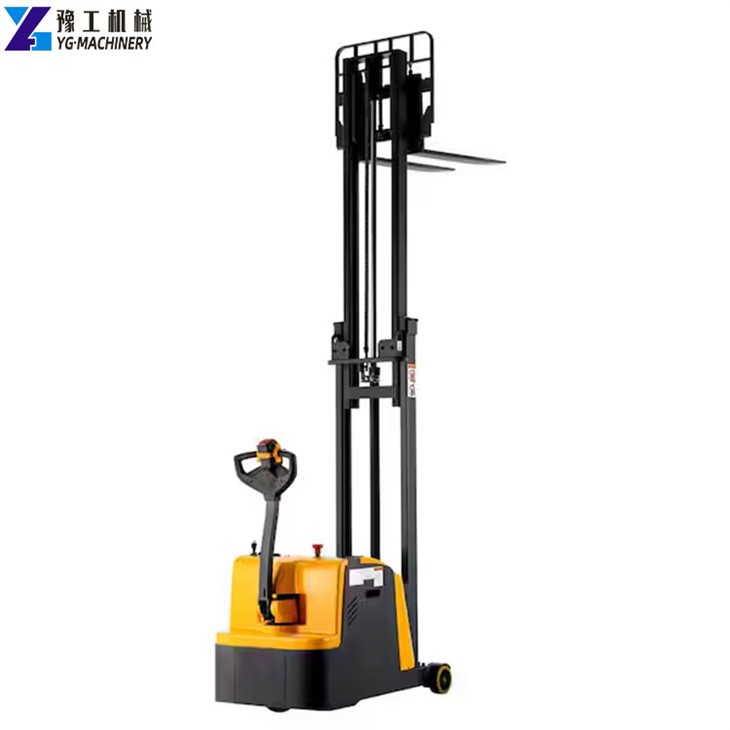
On the other hand, an Electric Stacker Lift is commonly used for stacking and retrieving goods in a warehouse environment. These lifts require more space for maneuverability, especially when they need to lift and lower loads at different heights. The turning radius of the stacker lift is an important consideration, as it determines how much space is needed to navigate around the storage racks.
A Mobile Scissor Lift Platform is another popular option. When fully extended, scissor lifts can reach significant heights, and the space required for operation includes not only the base footprint but also the vertical clearance above the lift. This is crucial to avoid any collisions with overhead obstacles such as beams or pipes.
Load Capacity
The load capacity of the lift platform also plays a role in determining the space requirements. Higher load capacities often mean larger and more robust platforms, which in turn require more space. For example, a lift platform designed to carry heavy machinery or large quantities of materials will need a wider base to support the weight and ensure stability. Additionally, the space around the lift needs to be sufficient to safely load and unload the materials without causing any obstructions.
Operational Clearance
Operational clearance refers to the space needed for the lift platform to move freely and for the operator to perform their tasks safely. This includes space for the operator to access the controls, as well as clearance around the platform to prevent any collisions with nearby objects. A general rule of thumb is to leave at least 1 - 2 meters of clearance on all sides of the lift platform, depending on the size and type of the lift.
Installation Location
The location where the lift platform will be installed also has a significant impact on the space requirements. In a confined indoor space such as a small workshop or a basement, the available space may be limited, and you may need to choose a lift platform that can adapt to these constraints. Outdoor installations, on the other hand, may have more space available but may also be subject to other factors such as wind, uneven ground, and the presence of other equipment or vehicles.
Calculating the Minimum Space Requirement
Step 1: Determine the Lift Platform Dimensions
The first step in calculating the minimum space requirement is to obtain the detailed dimensions of the lift platform you are considering. This includes the length, width, and height of the platform in both its retracted and extended states. You can usually find this information in the product specifications provided by the manufacturer.

Step 2: Consider the Load Dimensions
In addition to the lift platform dimensions, you also need to take into account the dimensions of the load that the lift will be carrying. This will help you determine the additional space required for loading and unloading the materials safely.
Step 3: Account for Operational Clearance
As mentioned earlier, operational clearance is essential for the safe operation of the lift platform. Add the recommended clearance distance around the lift platform to the overall space requirements. This will ensure that the operator has enough space to move around and that the lift can operate without any obstructions.
Step 4: Evaluate the Installation Location
Finally, evaluate the installation location to ensure that it can accommodate the lift platform and the required space. Consider factors such as the floor strength, the presence of any obstacles, and the accessibility of the area. If necessary, make any adjustments to the space requirements based on the specific conditions of the installation location.
Examples of Space Requirements for Different Lift Platforms
Mobile Hydraulic Lift Platform
A typical mobile hydraulic lift platform with a load capacity of 500 kg may have a retracted length of 1.5 meters, a width of 0.8 meters, and a height of 2 meters. When fully extended, it may reach a height of 6 meters. To operate this lift safely, you would need a minimum floor space of approximately 2 meters by 1.5 meters to accommodate the base of the lift and the required clearance. Additionally, you would need a vertical clearance of at least 7 meters to allow for the full extension of the platform.
Electric Stacker Lift
An electric stacker lift with a load capacity of 1000 kg and a maximum lifting height of 5 meters may have a turning radius of 2 meters. To operate this lift in a warehouse environment, you would need a minimum aisle width of 3 - 4 meters to allow for easy maneuverability. The length and width of the storage racks should also be considered to ensure that the lift can access the goods safely.
Mobile Scissor Lift Platform
A mobile scissor lift platform with a load capacity of 1500 kg and a maximum working height of 10 meters may have a base footprint of 2.5 meters by 2 meters. When fully extended, the platform may require a vertical clearance of 12 meters. To install this lift, you would need a minimum floor space of 3 meters by 2.5 meters to provide enough room for the base and the required clearance.
Conclusion
Determining the minimum space requirement for installing a lift platform is a multi - faceted process that involves considering various factors such as the lift platform type, load capacity, operational clearance, and installation location. By carefully evaluating these factors and following the steps outlined in this blog post, you can ensure that you choose the right lift platform for your needs and that it can be installed and operated safely in the available space.
If you are in the market for a lift platform and need further guidance on space requirements or any other aspect of lift platform selection, I encourage you to reach out to us. We have a team of experts who can provide you with personalized advice and help you find the perfect lift platform solution for your specific application. Contact us today to start the procurement discussion and take the first step towards enhancing your operational efficiency.
References
- Lift Platform Manufacturer's Product Manuals
- Industry Standards and Guidelines for Lift Platform Installation and Operation