

Can an electric bar cutter cut bars with a rough surface? Well, that's a question I get asked a lot as a supplier of Electric Bar Cutter. Let's dig into this topic and see what's what.
First off, let's talk about what a rough - surfaced bar is. Bars with rough surfaces can come about due to a bunch of reasons. Maybe they've been exposed to the elements for a long time, or they were produced in a manufacturing process that didn't result in a smooth finish. Rust is a common culprit for creating a rough surface. When metal is exposed to oxygen and moisture, rust forms, making the bar's surface uneven and rough.
Now, the big question is whether an electric bar cutter can handle these rough - surfaced bars. The short answer is, in most cases, yes! But there are a few things to consider.
How Electric Bar Cutters Work
Electric bar cutters are pretty nifty machines. They use an electric motor to generate the force needed to cut through bars. The motor powers a mechanism that applies a high - pressure cutting force on the bar. The cutting blade is designed to be sharp and strong enough to slice through different types of bars, including steel bars.
The key to their effectiveness lies in the design of the cutting blade and the power of the motor. A well - made electric bar cutter has a blade that can withstand high levels of stress and wear. The blade is usually made from high - quality steel or other durable materials. And the motor is sized appropriately to provide enough force for the cutting task.
Factors Affecting Cutting of Rough - Surfaced Bars
- Blade Quality
The quality of the blade is crucial when it comes to cutting rough - surfaced bars. A low - quality blade might not be able to handle the extra wear and tear caused by the rough surface. The rough edges of the bar can cause the blade to dull more quickly. On the other hand, a high - quality blade with a sharp edge and good hardness will be able to cut through the bar more easily and last longer. For example, a blade made from high - speed steel can maintain its sharpness even when cutting through rough - surfaced bars. - Bar Material
The material of the bar also matters. Different types of steel have different hardness levels. Some steels are softer and easier to cut, while others are harder and more challenging. Rough - surfaced bars made from softer steel are generally easier for an electric bar cutter to handle. Harder steels, like high - carbon steel, require more cutting force and a more robust blade. - Surface Roughness
The degree of surface roughness plays a role too. If the bar has just a slightly rough surface, the electric bar cutter will likely have no problem cutting through it. However, if the surface is extremely rough, with large bumps and irregularities, it can put more stress on the blade and the cutting mechanism. In some extreme cases, very rough surfaces might cause the bar to shift during the cutting process, which could affect the accuracy of the cut.
Advantages of Using an Electric Bar Cutter for Rough - Surfaces Bars
- Efficiency
Electric bar cutters are very efficient. They can cut through bars quickly, even rough - surfaced ones. Compared to manual cutting methods, which can be time - consuming and labor - intensive, an electric bar cutter can save a lot of time and effort. For example, in a construction site where there are many rough - surfaced bars to be cut, an electric bar cutter can get the job done in a fraction of the time. - Accuracy
These machines can provide a high level of cutting accuracy. They are designed to make clean and precise cuts, even on rough - surfaced bars. This is important, especially in construction projects where the bars need to be cut to specific lengths. An accurate cut ensures that the bars fit properly in the structure. - Versatility
Electric bar cutters are versatile. They can cut bars of different diameters and materials. Whether you're dealing with small - diameter rough - surfaced bars or large - diameter ones, an electric bar cutter can usually handle the task. This makes them a great choice for a variety of applications, from small DIY projects to large - scale construction jobs.
Tips for Cutting Rough - Surfaces Bars
- Inspect the Blade Regularly
As I mentioned earlier, the blade is the most important part of the electric bar cutter when cutting rough - surfaced bars. Regularly inspect the blade for signs of wear and tear. If the blade is dull or damaged, replace it immediately. A dull blade not only makes the cutting process more difficult but can also cause the motor to work harder, which can lead to premature motor failure. - Adjust the Cutting Force
Some electric bar cutters allow you to adjust the cutting force. When cutting rough - surfaced bars, you might need to increase the cutting force slightly to ensure a clean cut. However, be careful not to over - adjust the force, as this can put too much stress on the blade and the machine. - Secure the Bar Properly
To ensure a safe and accurate cut, make sure the bar is properly secured in the cutting machine. A loose bar can move during the cutting process, which can be dangerous and result in an inaccurate cut. Use the clamping mechanism of the electric bar cutter to hold the bar firmly in place.
Related Machines
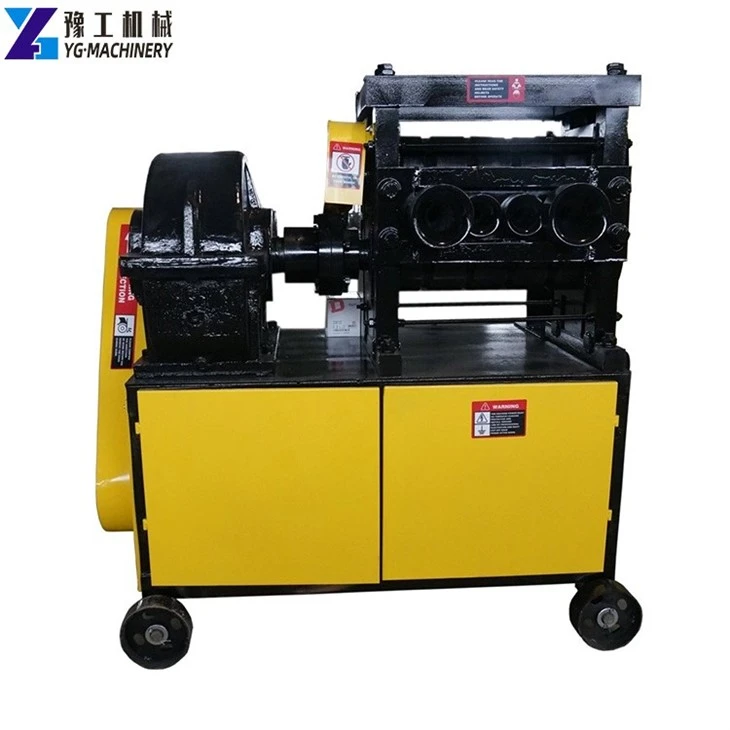
If you're dealing with rough - surfaced bars, you might also be interested in other related machines. For example, a Steel Bar Straightening and Cutting Machine can not only cut the bars but also straighten them. This is useful if the rough - surfaced bars are also bent. A Rebar Straightener Machine can specifically straighten the rebar, making it easier to handle and cut.
Conclusion
In conclusion, an electric bar cutter can generally cut bars with a rough surface. But it's important to consider factors like blade quality, bar material, and surface roughness. By following the tips I've mentioned, you can ensure that your electric bar cutter works effectively and lasts a long time when cutting rough - surfaced bars.
If you're in the market for an electric bar cutter or any of the related machines, we're here to help. We offer high - quality electric bar cutters and other steel machinery that are designed to handle a variety of cutting tasks, including those involving rough - surfaced bars. Contact us to start a conversation about your specific needs and how we can provide the right solution for you.

References
- "Handbook of Steel Construction". This book provides in - depth information about different types of steel and their properties, which is useful for understanding the cutting process of steel bars.
- "Machinery's Handbook". It offers detailed knowledge about various types of machinery, including electric bar cutters, and their working principles.