

As a provider of electric bar cutters, I often get asked about the limitations of the bar materials that these machines can cut. Electric bar cutters are essential tools in various industries, especially in construction and metalworking. They offer a convenient and efficient way to cut bars to the desired length. However, like any tool, they do have their limitations. In this blog post, I'll explore these limitations in detail and discuss how they can impact your operations.
Understanding the Basics of Electric Bar Cutters
Before delving into the limitations, it's important to understand how electric bar cutters work. These machines use an electric motor to power a cutting mechanism, typically a blade or a shear. The bar is placed in the cutting area, and the machine applies force to the blade or shear, slicing through the bar with precision. Electric bar cutters are known for their speed, accuracy, and ease of use, making them a popular choice for many professionals.
Material Compatibility
One of the primary limitations of electric bar cutters is the type of materials they can cut. Most electric bar cutters are designed to cut ferrous metals, such as steel and iron. These materials are commonly used in construction and manufacturing, and electric bar cutters can handle them with relative ease. However, when it comes to non - ferrous metals, the situation becomes more complicated.
Non - ferrous metals like aluminum, copper, and brass have different physical properties compared to ferrous metals. They are generally softer and more ductile, which means they can deform more easily during the cutting process. Some electric bar cutters may struggle to cut non - ferrous metals cleanly, as the blades or shears may not be optimized for these materials. In some cases, the machine may not be able to generate enough force to cut through the non - ferrous bar, resulting in incomplete cuts or damage to the bar.
Another factor to consider is the hardness of the material. Hardened steels, for example, have a high level of hardness due to heat treatment processes. Cutting hardened steel with an electric bar cutter can be extremely challenging. The high hardness can cause excessive wear on the cutting blade or shear, reducing its lifespan and potentially leading to blade breakage. In some cases, special high - speed steel or carbide - tipped blades may be required to cut hardened steel, and not all electric bar cutters are compatible with these specialized blades.
Bar Size and Diameter
The size and diameter of the bar also play a significant role in determining the cutting limitations of an electric bar cutter. Each electric bar cutter has a maximum cutting capacity specified by the manufacturer. This capacity is usually measured in terms of the maximum diameter of the bar that the machine can cut.
If you try to cut a bar with a diameter larger than the machine's rated capacity, several problems can occur. Firstly, the machine may not be able to generate enough force to cut through the bar. This can lead to the motor overheating as it struggles to operate under excessive load, potentially causing damage to the motor and reducing the lifespan of the machine. Secondly, the cutting blade or shear may be subjected to excessive stress, which can result in blade deformation or breakage.
On the other hand, cutting very small - diameter bars can also present challenges. Some electric bar cutters may have difficulty gripping and accurately cutting bars with extremely small diameters. The cutting mechanism may not be able to apply enough pressure to make a clean cut, leading to uneven or jagged edges on the bar.
Shape of the Bar
The shape of the bar is another factor that can limit the performance of an electric bar cutter. Most electric bar cutters are designed to cut round bars, as this is the most common shape used in construction and manufacturing. However, if you need to cut bars with non - circular shapes, such as square, rectangular, or hexagonal bars, you may encounter difficulties.
Non - circular bars have different cross - sectional areas and stress distribution compared to round bars. The cutting blade or shear may not be able to make a clean cut along the edges of non - circular bars, especially if the corners are sharp. In some cases, the machine may require additional modifications or specialized cutting attachments to cut non - circular bars effectively.
Coating and Surface Treatment
Bars that have coatings or surface treatments can also pose challenges for electric bar cutters. For example, bars with galvanized coatings are commonly used in construction to prevent corrosion. The galvanized layer is relatively hard and can cause increased wear on the cutting blade or shear. Additionally, the coating may flake off during the cutting process, which can contaminate the cutting area and potentially damage the machine.
Bars with painted or powder - coated surfaces can also be difficult to cut. The coating can interfere with the cutting process, making it harder for the blade or shear to penetrate the bar. In some cases, the coating may stick to the blade, reducing its cutting efficiency and requiring frequent cleaning.
Overcoming the Limitations
While electric bar cutters do have limitations, there are several ways to overcome them. One option is to choose the right machine for the job. When selecting an electric bar cutter, consider the types of materials, bar sizes, and shapes you will be cutting. Look for a machine with a high enough cutting capacity and the ability to handle different materials. Some electric bar cutters come with adjustable cutting parameters, allowing you to optimize the cutting process for different materials.
Another approach is to use specialized cutting blades or shears. As mentioned earlier, for cutting hardened steel or non - ferrous metals, high - speed steel or carbide - tipped blades may be necessary. These blades are designed to withstand the high forces and wear associated with cutting difficult materials.
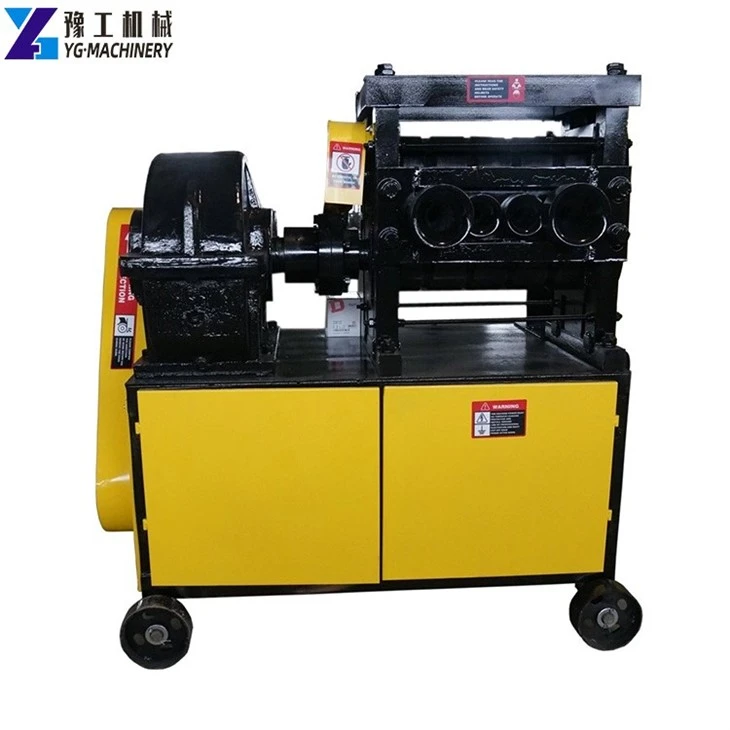

Regular maintenance of the electric bar cutter is also crucial. Keep the cutting blade or shear sharp by sharpening or replacing it when necessary. Clean the machine regularly to remove any debris or contaminants that may affect its performance.
Conclusion
In conclusion, electric bar cutters are powerful and versatile tools, but they do have limitations when it comes to the bar materials they can cut. Factors such as material type, hardness, size, shape, and coating can all impact the performance of the machine. However, by understanding these limitations and taking appropriate measures, such as choosing the right machine, using specialized cutting blades, and performing regular maintenance, you can maximize the efficiency and lifespan of your electric bar cutter.
If you're in the market for an electric bar cutter or need more information about our products, we'd be happy to assist you. Our team of experts can help you select the right machine for your specific needs. You can learn more about our Steel Bar Straightening and Cutting Machine, Rebar Straightener Machine, and Electric Bar Cutter by visiting our website. Contact us today to start a discussion about your procurement needs.
References
- Machinery's Handbook, 31st Edition. This comprehensive reference book provides detailed information on machining processes, materials, and tooling, which is relevant to understanding the limitations of electric bar cutters.
- Manufacturer's manuals of various electric bar cutters. These manuals offer specific information about the cutting capacity, recommended materials, and maintenance requirements of the machines.