

As a supplier of small spider cranes, I've witnessed firsthand the transformative impact these compact yet powerful machines have on various construction and industrial projects. One of the most critical aspects that sets these small spider cranes apart is their stability control system. In this blog post, I'll delve into what the stability control system of a small spider crane is, how it works, and why it's so important.
Understanding the Basics of a Small Spider Crane
Before we dive into the stability control system, let's briefly understand what a small spider crane is. A small spider crane is a highly versatile and compact lifting device that gets its name from its distinctive leg - like outriggers, which resemble a spider's legs. These cranes are designed to operate in tight spaces where larger cranes cannot reach, making them ideal for indoor construction, maintenance work, and even outdoor projects with limited access.
What is the Stability Control System?
The stability control system of a small spider crane is a sophisticated set of technologies and mechanisms that work together to ensure the crane remains stable during operation. It is a safety - critical feature that prevents the crane from tipping over, which could lead to serious accidents, damage to property, and endangerment of workers' lives.
Components of the Stability Control System
- Outriggers and Leveling Sensors
The outriggers are the most visible part of the stability control system. They extend from the base of the crane to provide a wider footprint and distribute the crane's weight evenly. Leveling sensors are installed on the crane to detect any unevenness in the ground. These sensors can measure the angle of the crane in multiple axes and send signals to the control system. If the ground is not level, the control system can adjust the outriggers to level the crane automatically. For example, if one side of the crane is on a slightly higher surface, the outrigger on that side can be extended further to ensure the crane is perfectly horizontal. - Load Moment Indicator (LMI)
The Load Moment Indicator is another crucial component. It continuously monitors the load being lifted by the crane, the radius of the load from the crane's center, and the angle of the boom. Based on these parameters, the LMI calculates the moment (the product of the load and its distance from the pivot point). If the calculated moment approaches or exceeds the crane's rated capacity, the LMI will trigger an alarm and may even restrict further lifting operations to prevent instability. - Anti - Two - Blocking System
This system is designed to prevent the hook block from colliding with the boom tip, which could cause a sudden loss of stability. It uses sensors to detect the position of the hook block relative to the boom tip. When the hook block gets too close to the boom tip, the system will stop the hoisting mechanism, preventing the dangerous two - block situation.
How the Stability Control System Works
The stability control system operates in a continuous loop of monitoring and adjustment. When the crane is set up at a work site, the leveling sensors start to work immediately. They check the ground conditions and send data to the control unit. The control unit then analyzes the data and determines if the outriggers need to be adjusted. Once the crane is leveled, the operator can start lifting operations.
As the load is being lifted, the Load Moment Indicator keeps a close eye on the load and its position. It compares the real - time moment with the crane's pre - set safety limits. If the moment approaches the limit, the LMI will first give a visual and audible warning to the operator. If the operator continues to operate the crane in an unsafe manner, the system may take over and limit the crane's movement, such as stopping the boom from extending further or reducing the lifting speed.
The Anti - Two - Blocking System also works in the background during the lifting process. It constantly monitors the distance between the hook block and the boom tip. If the distance becomes too small, it quickly stops the hoisting mechanism to avoid a two - block situation.
Importance of the Stability Control System
- Safety
The primary importance of the stability control system is safety. By preventing the crane from tipping over and avoiding dangerous situations like two - blocking, it protects the lives of the operators and other workers on the site. Construction sites are already hazardous environments, and a stable crane significantly reduces the risk of accidents. - Equipment Protection
A stable crane is less likely to suffer from mechanical failures caused by sudden shocks or uneven stress. The stability control system helps to distribute the load evenly across the crane's components, reducing wear and tear on the boom, outriggers, and other parts. This, in turn, extends the lifespan of the crane and reduces maintenance costs. - Efficiency
The stability control system allows operators to work with confidence. They can focus on the task at hand without constantly worrying about the crane's stability. This leads to increased productivity as the lifting operations can be carried out more smoothly and quickly.
Related Products
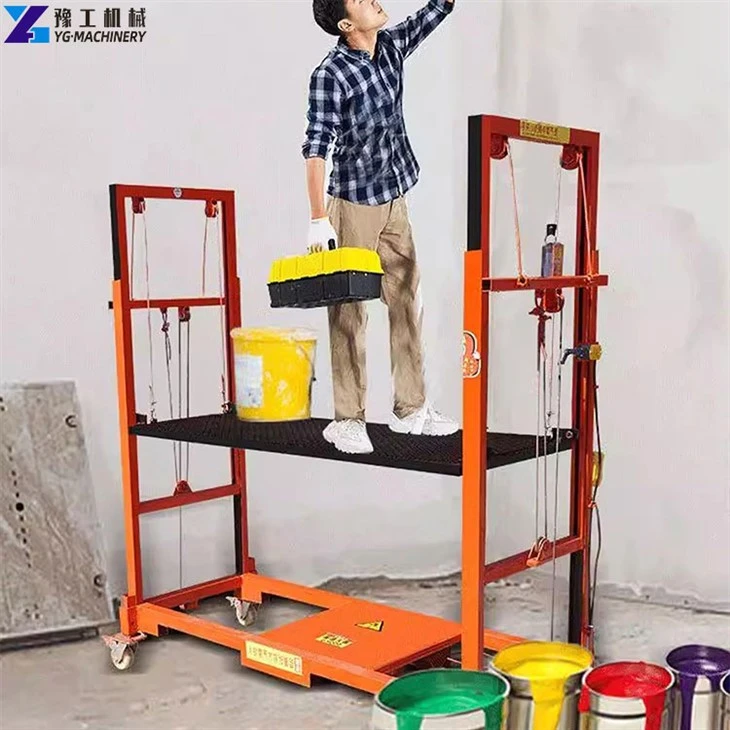
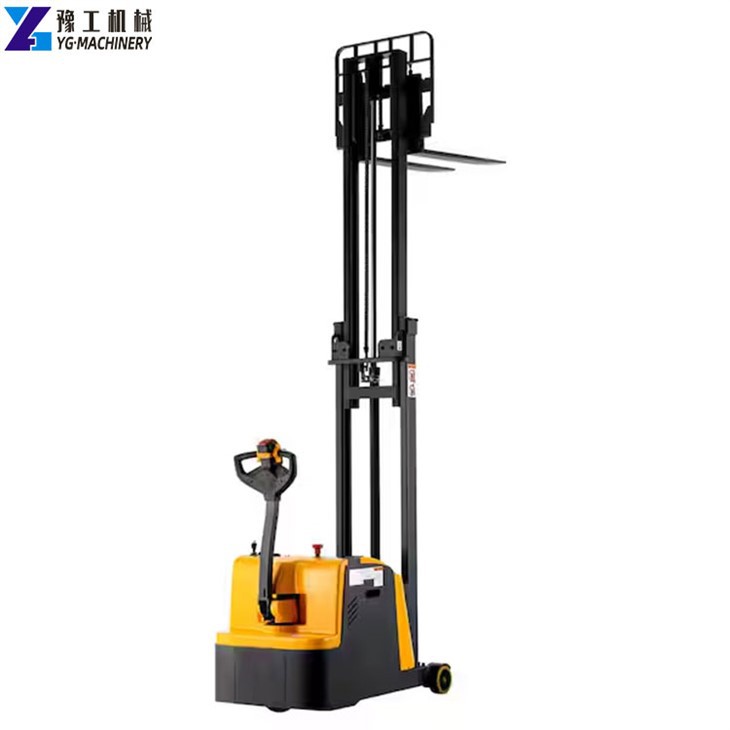
In addition to small spider cranes, we also offer a range of other construction equipment that can complement your projects. Check out our Electric Scaffolding Platform, Mobile Scaffold Platform, and Electric Stacker Lift. These products are designed with high - quality materials and advanced technologies to ensure safety and efficiency on your construction sites.
Conclusion
The stability control system of a small spider crane is a complex and essential part of the machine. It combines multiple components and technologies to ensure the crane's stability during operation, which is crucial for safety, equipment protection, and efficiency. If you're in the market for a small spider crane or any of our related construction equipment, we'd love to have a discussion with you. Contact us to start the procurement process and let us help you find the perfect solution for your projects.
References
- "Crane Safety Handbook" by the Crane Manufacturers Association of America
- "Lifting Equipment: Design, Operation, and Safety" by John W. Rose