

Safety and efficiency are always the top priorities in aerial work. Although traditional ladders are convenient, they are often limited in stability and working area; while fixed scaffolding is sturdy, it is limited by the tediousness of erection and disassembly. In this context, mobile scaffolding platforms came into being and quickly became the preferred solution for modern aerial work. They combine safety, flexibility, and efficiency and have completely changed the way we perform aerial tasks.
What Is a Mobile Scaffolding Platform?
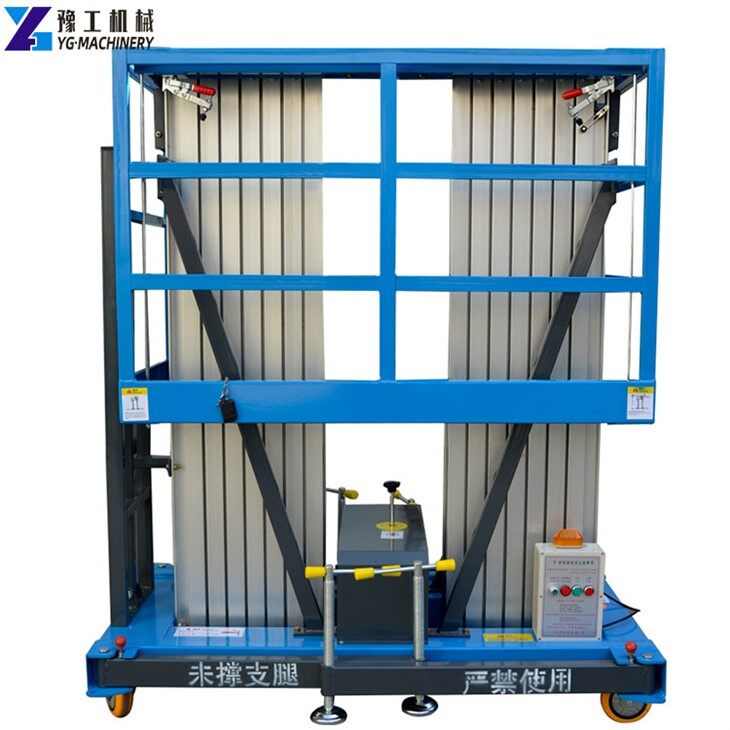
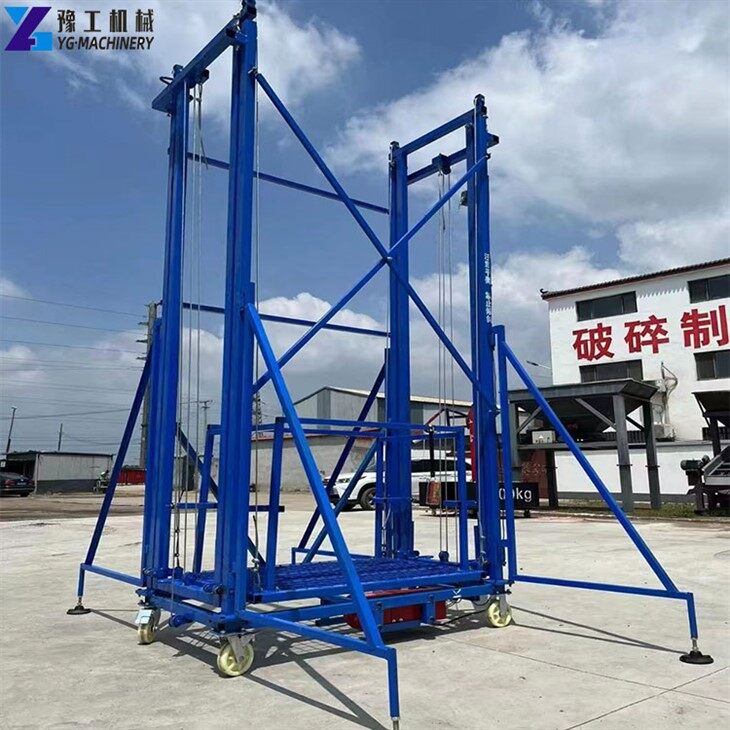
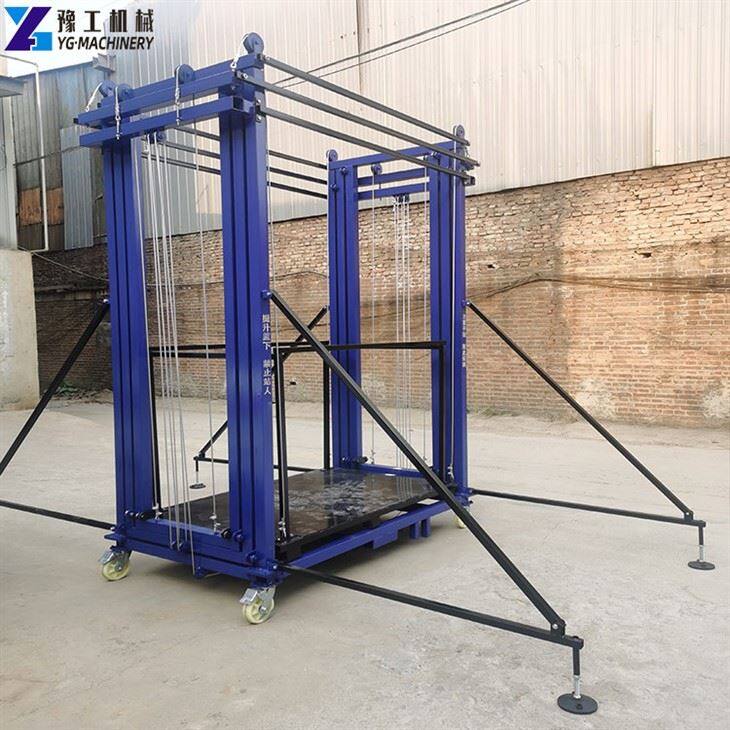
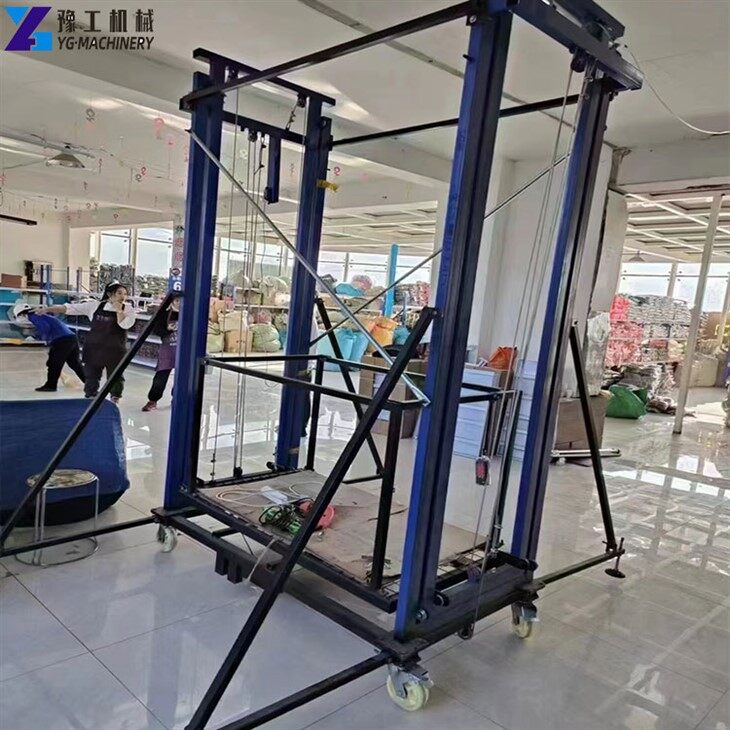
A mobile scaffolding platform is a wheeled aerial work equipment designed to provide a safe, stable, and easy-to-move working platform. It is usually composed of the following core components:
- Frame: Usually made of aluminum alloy or steel, it constitutes the main structure of the scaffolding.
- Working platform: Provides a flat surface for workers to stand and place tools and materials, usually with a non-slip design.
- Casters: With lockable wheels at the bottom, the scaffolding can be easily moved and fixed.
- Guardrail system: including top guardrail, middle guardrail, and kickboard, effectively preventing people and tools from falling.
- Stabilizer (Outriggers): used to increase the base area and improve the overall stability of the scaffolding, especially when working at height.
Compared with fixed scaffolding, the most notable feature of mobile scaffolding platforms are their excellent maneuverability, which can be quickly transferred between different working points, greatly saving the time of repeated construction.
Mobile Scaffold Platform Parameter
|
Model |
Lift Height |
Loading Weight |
Platform Size |
Overall Size |
Product Weight |
|
YGS2 |
2M |
500KG |
1.35*0.75M |
1.5*0.8*1.6M |
150KG |
|
YGS3 |
3M |
500KG |
1.35*0.75M |
1.5*0.8*1.7M |
190KG |
|
YGS4 |
4M |
500KG |
1.35*0.75M |
1.5*0.8*2.2M |
235KG |
|
YGS5 |
5M |
400KG |
1.35*0.75M |
1.5*0.8*2.6M |
260KG |
|
YGS6 |
6M |
400KG |
1.35*0.75M |
1.5*0.8*3M |
278KG |
|
YGS7 |
7M |
300KG |
1.5*0.8M |
1.6*0.9*3.4M |
310KG |
|
YGS8 |
8M |
300KG |
1.5*0.8M |
1.6*0.9*3.8M |
350KG |
|
YGS9 |
9M |
200KG |
1.8*0.9M |
2.1*1*4.2M |
370KG |
|
YGS10 |
10M |
200KG |
1.8*0.9M |
2.2*1*4.6M |
390KG |
The Core Advantages of Mobile Scaffolding Platforms: Double Improvement in Efficiency and Safety
- Excellent mobility and flexibility: Thanks to the lockable casters, workers can easily push the entire platform from one work area to another without repeated disassembly and reconstruction. This is an unparalleled advantage for tasks that require continuous work along long walls, ceilings, or large equipment.
- Significantly improve work efficiency: Mobile scaffolding platforms usually have a much larger working area than ladders, which can accommodate multiple workers and the tools and materials they need. This means that more tasks can be completed at one time, reducing the number of times you climb up and down, thereby greatly improving overall work efficiency.
- Comprehensively improve work safety: The platform is surrounded by a sturdy guardrail system and anti-slip surface, providing all-round protection for workers working at heights, which is much safer and more stable than traditional ladders. The setting of stability outriggers also further enhances its anti-overturning ability.
- Adapt to diverse working environments: Whether it is a flat indoor ground, a rugged outdoor site, or a special environment with electrical insulation requirements, there are mobile scaffolding platforms with corresponding materials and designs available on the market, showing strong environmental adaptability.
- Quick erection and dismantling: Many modern mobile scaffoldings feature modular, tool-free assembly designs, allowing workers to erect and dismantle them in a short period of time, minimizing project downtime.
How to Choose the Right Mobile Scaffolding Platform for You?
- Accurately assess the working height and load-bearing capacity: Identify the maximum working height you need to reach and calculate the required load-bearing capacity based on the total weight of workers and materials. This is directly related to the platform's size and material selection.
- Fully consider the working environment: Consider whether the work is done indoors or outdoors, whether the ground is flat, and whether there are special risks such as electrical wires or chemical corrosion. These factors will guide you in choosing scaffolding made of different materials such as aluminum alloy, steel, or fiberglass.
- Understand and comply with regulations and standards: Be sure to check local safety regulations and industry standards (such as EN1004, etc.) on aerial work and scaffolding use to ensure that the selected equipment meets all requirements.
- Pay attention to the quality of materials, structures, and accessories: Carefully check the frame structure of the scaffolding, the quality of the welds, the locking mechanism of the casters, the strength of the guardrails, and the durability of the connectors. High-quality materials and excellent workmanship are the guarantee of safety and longevity.
- Supplier Reputation and Service: Choosing a supplier with a good reputation who can provide professional consultation, complete after-sales service, spare parts supply, and operation training will provide long-term protection for your investment.


