

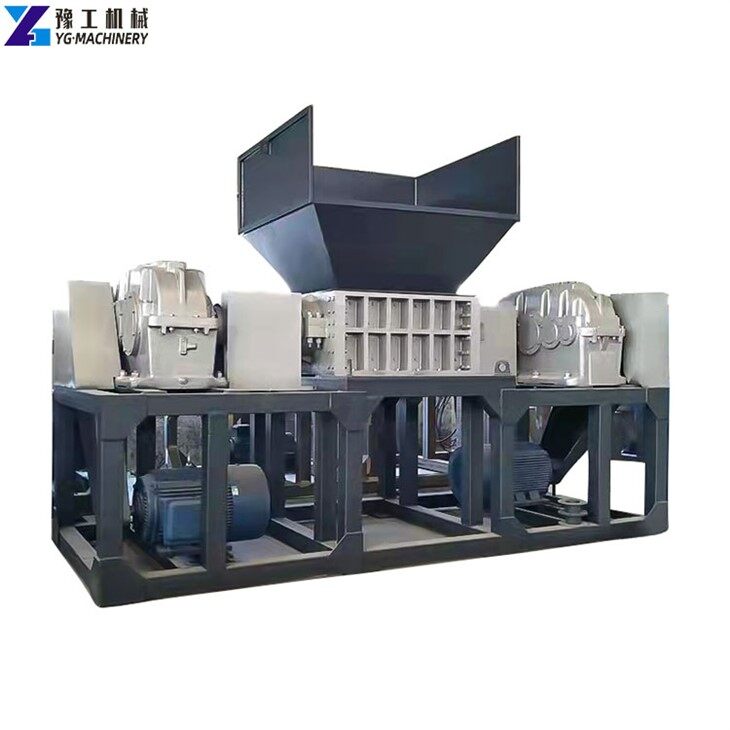
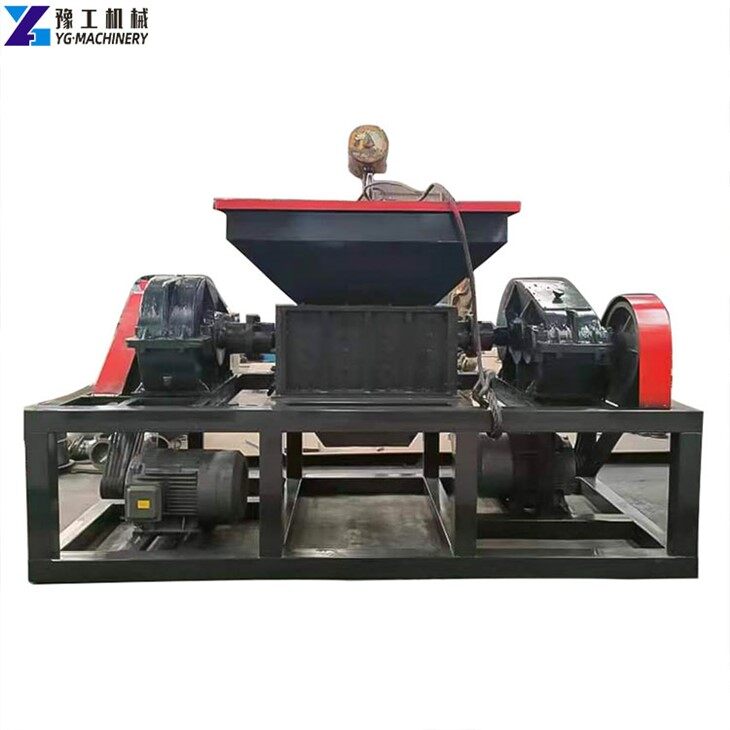
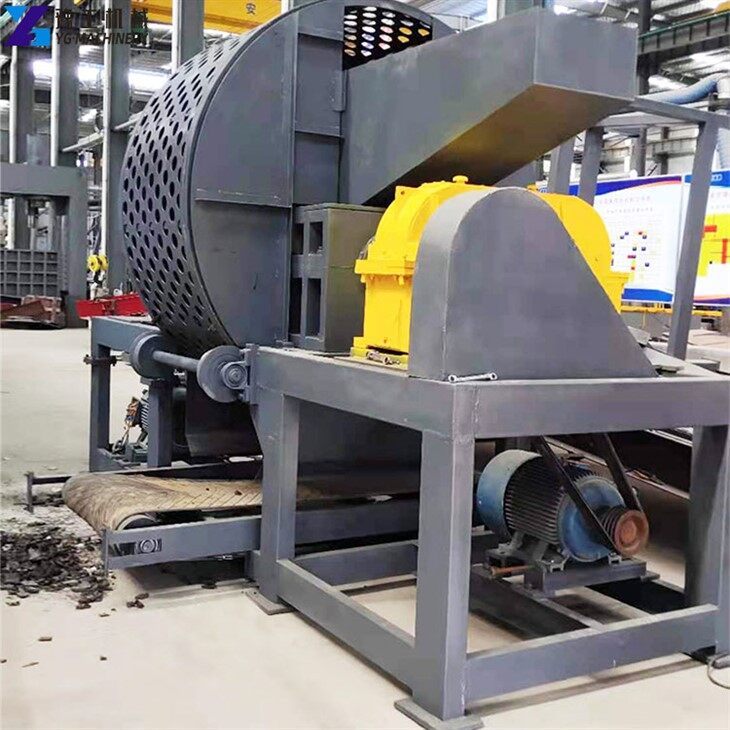
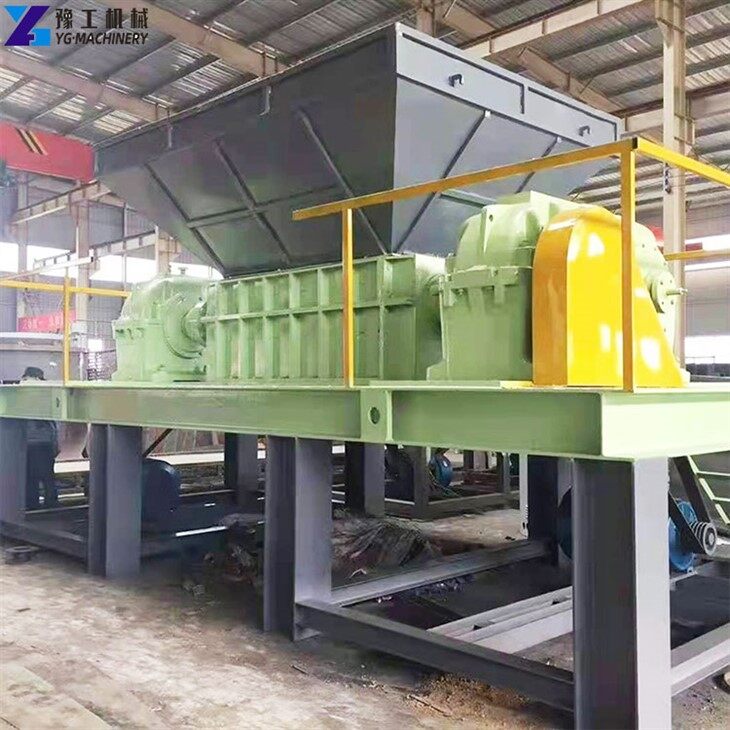
A tyre shredding machine, also known as a tire crusher or rubber shredder, is a rugged industrial machine designed to process whole tires into smaller pieces. These machines utilize a powerful cutting mechanism to overcome the durability and resilience of tires, effectively breaking them down into fragments, granules, or rubber powder. The growing global problem of tire waste has put tremendous pressure on the environment. Every year, millions of scrap tires are discarded, posing significant challenges to landfills, ecosystems, and human health. Tire shredders are an important part of solving this problem, using machines to process scrap tires and reduce pollution to the environment.
Tire Recycling Line Technical Parameter:
|
Model |
YG-3 |
YG-6 |
YG-10 |
YG-16 |
YGL-16 |
YG-30 |
|
Capacity |
1-3t/d |
4-6t/d |
8-10t/d |
12-16t/d |
8t/d (only for rubber powder) |
30-35t/d |
|
Working Process |
Batch |
Batch |
Batch |
Batch |
Semi-continuous |
Fully continuous |
|
Reactor Size |
φ1400*4900mm |
φ2200*6000mm |
φ2600*6600mm |
φ2800*7100mm |
φ2800*7100mm |
φ1800*18500mm |
|
Land (L*W*H) |
18m*4.2m*6m |
30m*12m*8m |
30m*13m*8m |
33m*13m*8m |
33m*13m*8m |
70m*20m*10m |
|
Power |
16.65kw |
37.85kw |
44.3kw |
55.6kw |
55.6kw |
256kw |
|
Burner |
2*200,000 kcal |
2*300,000 kcal |
2*300,000 kcal |
2*400,000 kcal |
2*400,000 kcal |
2.5 million kcal per set |
|
Total Weight of Shipped Materials |
About 18t |
About 24.5t |
About 28t |
About 34.5t |
About 34.5t |
About 150t |
|
Noise (dB) |
≤60 |
≤60 |
≤60 |
≤60 |
≤60 |
≤60 |
Advantages of Using a Tire Shredder:
- Volume reduction: The volume of the entire tire is significantly reduced, making it easier and less expensive to transport and store. This is critical for optimizing logistics and landfill space utilization.
- Resource recovery: Valuable materials including rubber, steel, and textile fibers can be recovered from scrap tires. These recycled materials can be reused in a variety of applications, thus promoting a circular economy.
- Production of Tire Derived Fuel (TDF): Tire shreds from primary shredders are commonly used as Tire Derived Fuel (TDF) in cement kilns, power plants, and pulp and paper mills. TDF offers a cost-effective alternative fuel with a higher calorific value than coal.
- Production of recycled rubber products: Smaller tire particles and rubber powder produced by secondary and fine grinders are used to manufacture a variety of recycled rubber products, including:
- Rubber mulch for landscaping and playgrounds
- Rubber-modified asphalt (RMA) for roads
- Molded rubber products (mats, tiles, speed bumps)
- New tire manufacturing (as fillers and additives)
5. Environmental benefits: Reduces landfill waste, conserves natural resources, reduces greenhouse gas emissions associated with the production of virgin materials, and minimizes the environmental harm of tire accumulation.
6. Revenue generation: Recycled tire material and TDF can be sold, creating a revenue stream for recycling companies and offsetting operating costs.
7. Comply with regulations: Many governments are implementing stricter regulations on tire disposal and promoting tire recycling. Investing in a tire shredder can help companies comply with these regulations and avoid penalties.
Understanding the Tire Waste Problem and the Need for Shredding:
- Global generation is huge: Billions of tires are scrapped around the world each year, creating a massive waste stream.
- Environmental hazards of tire landfills: Landfilling whole tires is environmentally unjustifiable. Tires take up much landfill space, are non-biodegradable, and can leach harmful chemicals into soil and water. They also pose a fire risk, produce toxic fumes, and are difficult to extinguish.
- Mosquito breeding grounds: Piles of scrap tires collect water and serve as ideal breeding grounds for disease-transmitting mosquitoes, increasing the risk of diseases like Zika and dengue fever.
- Waste of resources: Tires are made from valuable materials such as rubber, steel, and textiles. Discarding them without recycling is a huge waste of these resources.
Tire shredders provide a critical first step in addressing these issues. By breaking down whole tires into smaller, more manageable pieces, these machines open up countless downstream recycling possibilities and mitigate the harmful effects of tire waste.


