

Hey there! As a supplier of small spider cranes, I often get asked about the components that make these machines tick. One of the most crucial parts of a small spider crane is the hydraulic pump. So, let's dive into what the hydraulic pump of a small spider crane is all about.
What is a Hydraulic Pump?
First things first, a hydraulic pump is a mechanical device that converts mechanical power into hydraulic energy. In simple terms, it takes the power from the crane's engine and uses it to create pressure in the hydraulic fluid. This pressurized fluid is then used to operate various parts of the crane, like the boom, the winch, and the outriggers.
Think of it as the heart of the small spider crane. Just like your heart pumps blood throughout your body to keep everything working, the hydraulic pump pumps hydraulic fluid to all the necessary components of the crane. Without it, the crane wouldn't be able to lift, lower, or move heavy loads.
How Does the Hydraulic Pump Work in a Small Spider Crane?
The working principle of a hydraulic pump in a small spider crane is based on the displacement of fluid. There are two main types of hydraulic pumps commonly used in small spider cranes: gear pumps and piston pumps.
-
Gear Pumps: These are the simplest and most common type of hydraulic pumps. They consist of two meshing gears inside a housing. As the gears rotate, they create a vacuum on the inlet side, which draws in the hydraulic fluid. The fluid is then trapped between the teeth of the gears and the housing and is carried to the outlet side. As the gears mesh again at the outlet, the fluid is forced out under pressure. Gear pumps are known for their reliability, simplicity, and relatively low cost. However, they are not as efficient as piston pumps and can generate more noise.
-
Piston Pumps: Piston pumps are more complex but also more efficient than gear pumps. They use pistons moving in cylinders to displace the hydraulic fluid. There are different types of piston pumps, such as axial piston pumps and radial piston pumps. In an axial piston pump, the pistons are arranged parallel to the drive shaft, while in a radial piston pump, the pistons are arranged radially around the drive shaft. Piston pumps can generate higher pressures and are more suitable for applications that require high precision and power, like small spider cranes.
Once the hydraulic fluid is pressurized by the pump, it is sent through a network of hoses and valves to the different actuators of the crane. These actuators can be hydraulic cylinders or motors, which convert the hydraulic energy back into mechanical energy to perform the desired tasks, such as extending the boom or lifting a load.
Why is the Hydraulic Pump Important in a Small Spider Crane?
The hydraulic pump plays a vital role in the performance and functionality of a small spider crane. Here are some reasons why it's so important:
-
Power and Lifting Capacity: The hydraulic pump provides the necessary power to lift heavy loads. The higher the pressure generated by the pump, the more weight the crane can lift. A well-designed hydraulic pump ensures that the crane can handle the required loads efficiently and safely.
-
Precision and Control: Small spider cranes are often used in applications that require precise movements, such as placing materials in tight spaces. The hydraulic pump allows for smooth and accurate control of the crane's movements. By adjusting the flow and pressure of the hydraulic fluid, the operator can control the speed, direction, and force of the crane's actions.
-
Reliability and Durability: A high-quality hydraulic pump is built to withstand the harsh conditions of construction sites. It is designed to operate continuously for long periods without breakdowns. This reliability is crucial for ensuring that the crane can perform its tasks without interruptions, minimizing downtime and increasing productivity.
Our Small Spider Cranes and Their Hydraulic Pumps
At our company, we take pride in offering small spider cranes with top-of-the-line hydraulic pumps. We understand that the performance of the hydraulic pump directly affects the overall performance of the crane. That's why we carefully select the hydraulic pumps for our cranes based on their quality, efficiency, and reliability.
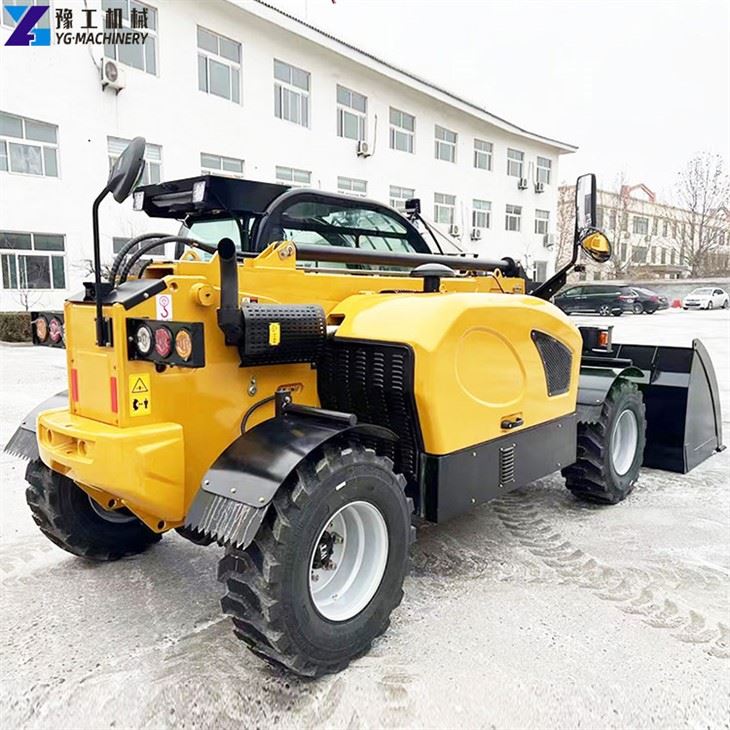

Our small spider cranes are equipped with advanced piston pumps that provide high pressure and precise control. These pumps are designed to work in harmony with the other components of the crane, ensuring smooth and efficient operation. Whether you need to lift heavy loads in a confined space or perform delicate tasks with precision, our small spider cranes with their high-performance hydraulic pumps are up to the job.
Related Products
If you're interested in other construction equipment, we also offer a range of related products, such as Telescopic Telehandler, Movable Scaffolding Platform, and Mobile Ramp for Unloading Trucks. These products are designed to complement our small spider cranes and provide comprehensive solutions for your construction needs.
Contact Us for Procurement
If you're in the market for a small spider crane or any of our other construction equipment, we'd love to hear from you. Our team of experts is ready to assist you in finding the right equipment for your specific requirements. Whether you have questions about the hydraulic pump, the features of our cranes, or the pricing, we're here to help.
Don't hesitate to reach out to us for procurement discussions. We're committed to providing you with the best products and services at competitive prices. Let's work together to make your construction projects a success!
References
- "Hydraulic Pumps: Types, Working Principles, and Applications." Hydraulics & Pneumatics Magazine.
- "Small Spider Cranes: Design, Operation, and Maintenance." Construction Equipment Handbook.