

Sandblasting machines are essential tools in various industries, from construction and manufacturing to automotive and restoration. They are used to clean, prepare, and finish surfaces by propelling abrasive materials at high speeds. When it comes to sandblasting machines, there are two main types: dry and wet. Understanding the differences between these two types can help you make an informed decision when choosing the right machine for your specific needs. As a sandblasting machine supplier, I'm here to provide you with a detailed comparison of dry and wet sandblasting machines.
Dry Sandblasting Machines
Dry sandblasting machines are the more traditional type of sandblasting equipment. They work by using compressed air to propel dry abrasive materials, such as sand, grit, or shot, through a nozzle at high speeds. The abrasive particles impact the surface being treated, removing dirt, rust, paint, and other contaminants.
One of the primary advantages of dry sandblasting machines is their high efficiency. They can quickly and effectively clean large surfaces, making them ideal for industrial applications. Dry sandblasting is also highly versatile, as it can be used with a wide range of abrasive materials, each with its own unique properties and applications. For example, silica sand is commonly used for general cleaning and surface preparation, while aluminum oxide is preferred for more precise and high - performance applications.
Another benefit of dry sandblasting is its ability to achieve a high - quality finish. The dry abrasive particles can create a rough surface profile, which is often desirable for applications such as painting or coating adhesion. This rough surface provides a better bond for the paint or coating, ensuring a longer - lasting finish.
However, dry sandblasting machines also have some drawbacks. One of the most significant issues is the generation of dust. When the abrasive particles impact the surface, they create a large amount of dust, which can be a health hazard for operators and workers in the vicinity. The dust can contain harmful substances such as silica, which can cause respiratory problems if inhaled over a long period. Additionally, the dust can also contaminate the surrounding environment, requiring proper dust collection and ventilation systems to be in place.
Dry sandblasting machines can also be more aggressive on the surface being treated. In some cases, the high - speed impact of the dry abrasive particles can cause damage to delicate or thin - walled materials. This means that careful selection of the abrasive material and blasting parameters is necessary to avoid surface damage.
If you are interested in a dry sandblasting solution, you might want to check out our Pass Through Shot Blasting Machine, which is designed for high - volume and continuous sandblasting operations.
Wet Sandblasting Machines
Wet sandblasting machines, on the other hand, mix the abrasive material with water before propelling it through the nozzle. This combination of water and abrasive creates a slurry that is then blasted onto the surface.
One of the most significant advantages of wet sandblasting is its dust - suppression capabilities. The water in the slurry helps to capture the dust particles generated during the blasting process, significantly reducing the amount of airborne dust. This makes wet sandblasting a much safer option for operators and the environment. It also eliminates the need for extensive dust collection systems, which can save on equipment costs and maintenance.
Wet sandblasting is also gentler on the surface being treated compared to dry sandblasting. The water in the slurry acts as a cushion, reducing the impact force of the abrasive particles. This makes wet sandblasting suitable for delicate or thin - walled materials that might be damaged by dry sandblasting. For example, wet sandblasting can be used to clean and restore antique furniture or automotive parts without causing any surface damage.
In addition, wet sandblasting can also provide a more consistent finish. The water helps to keep the abrasive particles evenly distributed, resulting in a more uniform surface treatment. This is particularly important for applications where a high - quality and consistent finish is required.
However, wet sandblasting machines also have some limitations. One of the main drawbacks is their lower efficiency compared to dry sandblasting machines. The presence of water in the slurry can slow down the blasting process, as the water needs to be expelled from the nozzle along with the abrasive. This means that wet sandblasting might take longer to complete the same job as dry sandblasting, especially for large - scale applications.
Another issue with wet sandblasting is the potential for rust and corrosion. Since water is used in the process, there is a risk of the treated surface rusting if it is not properly dried and protected after blasting. This requires additional steps in the post - blasting process, such as drying and applying a rust - preventive coating.
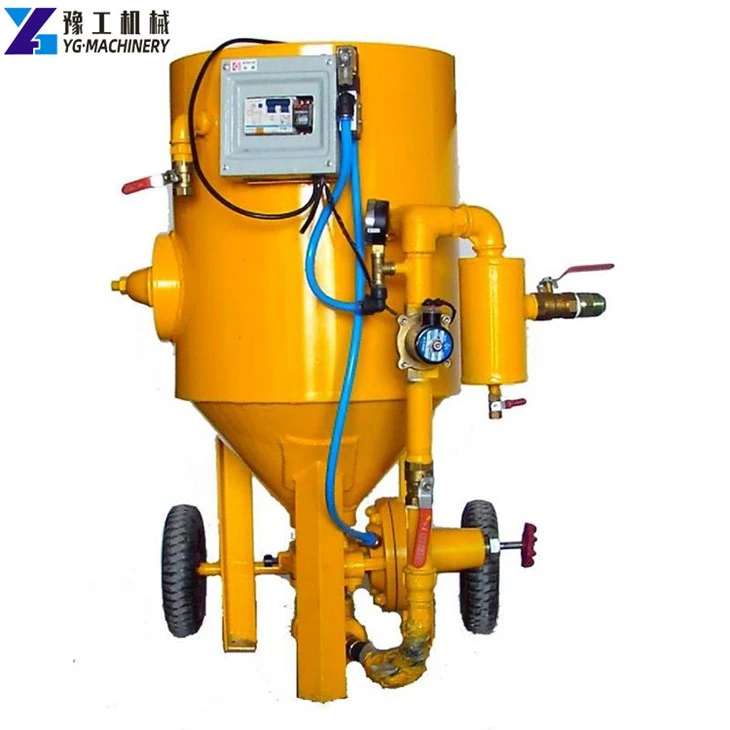

If you are looking for a dust - free sandblasting solution, our Dustless Sandblasting Machine is a great option. It combines the benefits of wet sandblasting with advanced dust - suppression technology.
Comparison Table
| Aspect | Dry Sandblasting Machines | Wet Sandblasting Machines |
|---|---|---|
| Efficiency | High, suitable for large - scale and high - volume applications | Lower, slower due to the presence of water |
| Dust Generation | High, requires proper dust collection and ventilation | Low, dust is suppressed by water |
| Surface Aggressiveness | More aggressive, can damage delicate materials | Gentler, suitable for delicate materials |
| Finish Quality | Can achieve a rough surface for better adhesion, high - quality finish | More consistent finish, but may require additional post - treatment |
| Post - treatment | Minimal, mainly cleaning | Requires drying and rust - prevention steps |
Choosing the Right Machine
When choosing between a dry and wet sandblasting machine, several factors need to be considered.
First, consider the nature of the surface you need to treat. If you are working with large, robust surfaces that can withstand the impact of dry abrasive particles, such as steel structures or concrete floors, a dry sandblasting machine might be the better choice. On the other hand, if you are dealing with delicate or thin - walled materials, such as wood, plastic, or aluminum, a wet sandblasting machine would be more suitable.
Second, think about the work environment. If you are working in an enclosed space or an area where dust control is a major concern, a wet sandblasting machine is the obvious choice. However, if you have a well - ventilated area and can afford to install proper dust collection systems, a dry sandblasting machine can offer higher efficiency.
Third, consider the desired finish. If you need a rough surface for better paint or coating adhesion, dry sandblasting is the way to go. But if you require a more consistent and gentle finish, wet sandblasting is preferable.
For small - scale and portable applications, our Small Portable Sandblaster is available in both dry and wet versions, providing flexibility for different job requirements.
Conclusion
In conclusion, both dry and wet sandblasting machines have their own unique advantages and disadvantages. As a sandblasting machine supplier, we understand that choosing the right machine is crucial for the success of your project. Whether you need a high - efficiency dry sandblasting solution for large - scale industrial applications or a dust - free and gentle wet sandblasting option for delicate materials, we have the expertise and products to meet your needs.
If you are still unsure which type of sandblasting machine is right for you, or if you have any questions about our products, please feel free to contact us. Our team of experts is ready to assist you in making the best decision for your specific requirements. We look forward to the opportunity to work with you and provide you with the highest - quality sandblasting machines and solutions.
References
- ASM Handbook Volume 5: Surface Engineering. ASM International.
- Industrial Sandblasting: Principles and Practices. John Wiley & Sons.
- Sandblasting Safety Guidelines. Occupational Safety and Health Administration (OSHA).