

Hey there! As a supplier of wire saw machines, I've seen firsthand the unique demands and special requirements when it comes to using these powerful tools in the construction industry. In this blog, I'll break down everything you need to know to ensure safe, efficient, and effective operation of wire saw machines on your construction sites.
1. Operator Training and Certification
First things first, having a properly trained and certified operator is non - negotiable. Operating a wire saw machine isn't something you can just pick up on the fly. The operator needs to understand the machine's mechanics, controls, and safety features inside out. They should be well - versed in how to handle potential hazards and emergency situations.
For instance, they need to know how to correctly tension the [Diamond Wire Saw Rope](https://www.example.com/cutting - machinery/wire - saw - machine/diamond - wire - saw - rope.html). If the rope isn't tensioned properly, it can lead to uneven cutting, premature wear of the rope, and even pose a safety risk. We always recommend that operators go through comprehensive training programs. This training should cover theoretical knowledge as well as hands - on practical experience. Some construction companies even require their operators to obtain industry - recognized certifications to prove their proficiency.
2. Site Assessment and Preparation
Before you even think about firing up the wire saw machine, a thorough site assessment is crucial. You need to understand the environment where the machine will be used. Check the stability of the ground. If the ground is uneven or unstable, it can cause the machine to wobble during operation, which is a recipe for disaster.
Also, look for any underground utilities such as water pipes, gas lines, or electrical cables. Cutting into one of these can lead to serious accidents, service disruptions, and huge repair costs. Use appropriate detection equipment to map out the location of these utilities before starting any cutting work.
In addition, the site should be properly cleared of any debris, obstacles, or loose materials. This not only makes the operation of the wire saw machine safer but also more efficient. Workers should have enough space to move around the machine without tripping or getting in the way of the cutting process.
3. Machine Inspection and Maintenance
Regular inspection and maintenance of the wire saw machine are essential to keep it running smoothly. Before each use, the operator should conduct a pre - operation check. This includes checking the power supply, whether it's electric or hydraulic. Make sure all the electrical connections are secure and there are no signs of damage to the cables.
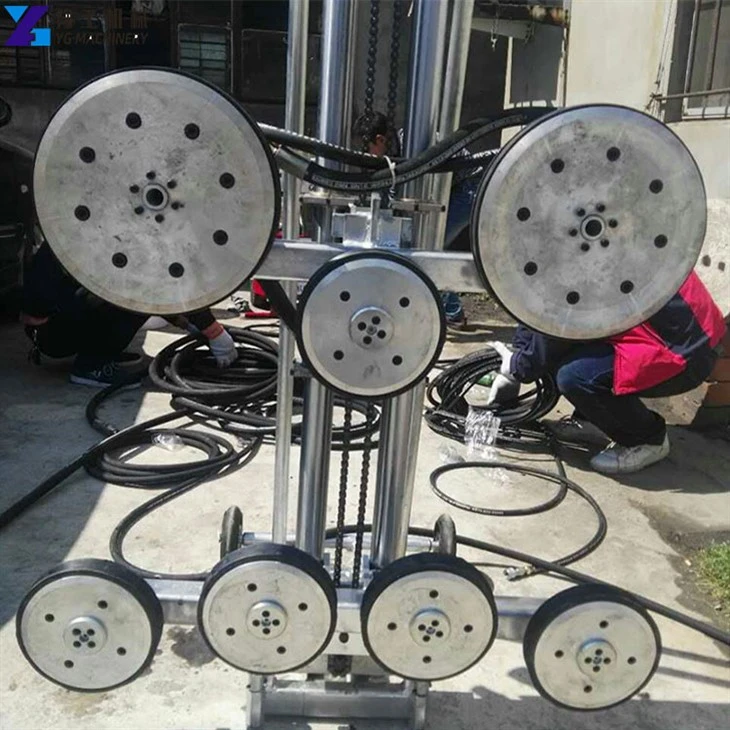
Inspect the [HF Wire Saw](https://www.example.com/cutting - machinery/wire - saw - machine/hf - wire - saw.html) components such as the drive system, pulleys, and guides. Look for any signs of wear, misalignment, or damage. Replace any worn - out parts immediately. The diamond wire saw rope is the heart of the wire saw machine, and it needs special attention. Check for any signs of breakage, excessive wear, or damage to the diamond segments.
Regular maintenance also involves lubricating moving parts, cleaning the machine to prevent the buildup of dust and debris, and adjusting the tension of the wire saw rope as needed. Following the manufacturer's recommended maintenance schedule is a must to extend the lifespan of the machine and ensure consistent performance.
4. Safety Gear and Precautions
Safety should always be the top priority when using a wire saw machine. Operators and other workers in the vicinity must wear appropriate safety gear. This includes hard hats to protect against falling objects, safety glasses to shield the eyes from flying debris, and ear protection as the machine can be quite noisy during operation.
Gloves are also essential to protect the hands from cuts and abrasions. In addition, operators should wear steel - toed boots to prevent foot injuries. A dust mask is necessary if the cutting process generates a lot of dust, which can be harmful if inhaled.
There should also be safety barriers and warning signs around the work area to prevent unauthorized access. Workers should be trained to stay clear of the moving parts of the machine, especially the rotating wire saw rope. Emergency stop buttons should be easily accessible and in good working condition.
5. Cutting Material Compatibility
Not all wire saw machines are created equal, and they have different capabilities when it comes to cutting various materials. When using a wire saw machine in the construction industry, you need to make sure the machine is compatible with the material you're cutting.
For example, if you're cutting concrete, a [Diamond Wire Saw For Concrete](https://www.example.com/cutting - machinery/wire - saw - machine/diamond - wire - saw - for - concrete.html) is the way to go. The diamond segments on the wire saw rope are designed to handle the hardness and abrasiveness of concrete. Different types of concrete, such as reinforced concrete or pre - stressed concrete, may require specific types of wire saw ropes and cutting techniques.
If you're cutting other materials like stone, metal, or glass, you need to select a wire saw machine and rope that are suitable for those materials. Using the wrong machine or rope can result in poor cutting quality, increased wear and tear on the machine, and potentially dangerous situations.
6. Environmental Considerations
The construction industry is becoming more and more conscious of its environmental impact, and using a wire saw machine is no exception. When operating the machine, you need to consider how it affects the environment.
One major concern is the dust generated during the cutting process. Excessive dust can pollute the air and pose a health risk to workers and nearby residents. To mitigate this, you can use dust suppression systems such as water sprays. These systems help to keep the dust down by wetting the cutting area.
Another aspect is the noise level. Wire saw machines can be quite noisy, which can be a nuisance to the surrounding community. You can use noise - reducing enclosures or schedule the cutting work during less - sensitive hours to minimize the impact.
7. Documentation and Record - Keeping
Maintaining proper documentation is an often - overlooked but important requirement. Keep records of machine inspections, maintenance activities, and operator training. This documentation can be useful for several reasons.
Firstly, it helps to ensure compliance with safety regulations. Regulatory authorities may require you to provide proof of regular inspections and maintenance. Secondly, it can be used for troubleshooting. If there are any issues with the machine, you can refer to the records to see when the last maintenance was done or if there were any previous problems with the same component.
Finally, it's also important for warranty purposes. If you need to make a warranty claim, having detailed records can make the process much smoother.

Conclusion
Using a wire saw machine in the construction industry comes with a set of special requirements. From operator training and site preparation to machine maintenance and safety precautions, every aspect needs to be carefully considered. By following these requirements, you can ensure the safe and efficient operation of the wire saw machine, leading to better construction results.
If you're in the market for a high - quality wire saw machine or need more information about our products, feel free to reach out to us. We're here to help you find the right solution for your construction needs. Whether you're a small - scale contractor or a large construction company, we've got the expertise and the products to support your projects.
References
- Construction Equipment Safety Manual
- Wire Saw Machine Manufacturer's Guidelines
- Industry Standards for Construction Machinery Operation