

Drilling operations play a crucial role in various industries, such as mining, construction, and geothermal energy extraction. Down-the-hole (DTH) drilling rigs are widely used for their efficiency and precision in creating boreholes. One of the essential steps in operating a DTH drilling rig is connecting the drill bits to the drill pipe. In this blog post, I'll share my insights as a DTH drilling rig supplier on how to perform this task effectively.
Understanding the Basics of DTH Drilling Rigs
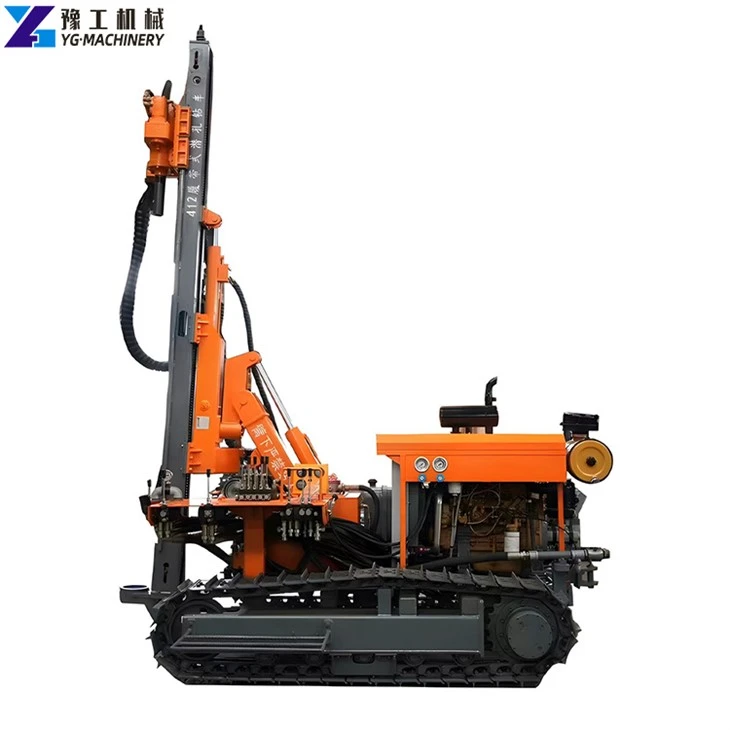
Before delving into the process of connecting drill bits to drill pipes, it's important to have a basic understanding of DTH drilling rigs. A DTH drilling rig consists of several key components, including the drill rig itself, the drill pipe, the drill bit, and the hammer. The drill rig provides the power and support for the drilling operation, while the drill pipe transfers the rotational and axial forces from the rig to the drill bit. The drill bit is responsible for cutting through the rock or soil, and the hammer delivers the impact energy to enhance the drilling efficiency.
DTH drilling rigs are known for their high penetration rates and ability to drill in various rock formations. They are commonly used in applications such as blast hole drilling, geothermal well drilling, and water well drilling. As a DTH drilling rig supplier, I've seen firsthand the importance of proper equipment setup and maintenance to ensure optimal performance and longevity.
Types of Drill Bits and Drill Pipes
There are several types of drill bits and drill pipes available for DTH drilling rigs, each designed for specific applications and rock conditions. The most common types of drill bits include button bits, carbide bits, and roller cone bits. Button bits are made of tungsten carbide buttons that are brazed onto a steel body. They are suitable for drilling in hard and abrasive rock formations. Carbide bits are similar to button bits but have a different shape and configuration of the carbide inserts. They are often used in softer rock formations. Roller cone bits have three rotating cones with teeth that crush and cut through the rock. They are commonly used in oil and gas drilling applications.
Drill pipes are typically made of high-strength steel and come in various sizes and lengths. The size of the drill pipe is determined by the diameter of the borehole and the requirements of the drilling operation. The length of the drill pipe can vary depending on the depth of the borehole and the capabilities of the drilling rig. As a DTH drilling rig supplier, I offer a wide range of drill bits and drill pipes to meet the needs of my customers.

Preparing for the Connection
Before connecting the drill bits to the drill pipe, it's important to ensure that both components are clean and in good condition. Any dirt, debris, or damage can affect the connection and lead to premature wear or failure. Here are the steps to prepare the drill bits and drill pipes for connection:
- Inspect the drill bits: Check the drill bits for any signs of wear, damage, or missing buttons. Replace any worn or damaged drill bits before connecting them to the drill pipe.
- Clean the drill bits: Use a wire brush or compressed air to clean the drill bits and remove any dirt, debris, or rock chips. Make sure the threads on the drill bits are clean and free of any obstructions.
- Inspect the drill pipes: Check the drill pipes for any signs of wear, damage, or corrosion. Look for cracks, dents, or bent sections that could affect the connection or the performance of the drilling rig. Replace any damaged drill pipes before connecting them to the drill bits.
- Clean the drill pipes: Use a wire brush or compressed air to clean the drill pipes and remove any dirt, debris, or rust. Make sure the threads on the drill pipes are clean and free of any obstructions.
Connecting the Drill Bits to the Drill Pipe
Once the drill bits and drill pipes are clean and in good condition, it's time to connect them. Here are the steps to connect the drill bits to the drill pipe:
- Apply thread compound: Apply a small amount of thread compound to the threads of the drill bit and the drill pipe. Thread compound helps to prevent galling and ensures a tight and secure connection.
- Align the drill bit and drill pipe: Insert the drill bit into the drill pipe and align the threads. Make sure the drill bit is centered and straight before tightening the connection.
- Tighten the connection: Use a torque wrench to tighten the connection between the drill bit and the drill pipe to the recommended torque specification. Over-tightening or under-tightening the connection can lead to premature wear or failure.
- Check the connection: Once the connection is tightened, check it for any signs of looseness or leakage. Use a pipe wrench or other suitable tool to make any necessary adjustments.
Tips for a Successful Connection
Here are some tips to ensure a successful connection between the drill bits and the drill pipe:
- Use the right tools: Make sure you have the right tools for the job, including a torque wrench, pipe wrench, and wire brush. Using the wrong tools can damage the drill bits or drill pipes and lead to a poor connection.
- Follow the manufacturer's instructions: Always follow the manufacturer's instructions for connecting the drill bits and drill pipes. This includes using the recommended thread compound, torque specification, and installation procedures.
- Inspect the connection regularly: Regularly inspect the connection between the drill bits and the drill pipe for any signs of wear, damage, or looseness. Make any necessary adjustments or replacements as soon as possible.
- Maintain proper lubrication: Proper lubrication is essential for the smooth operation of the drill bits and drill pipes. Make sure to use the recommended lubricant and follow the manufacturer's instructions for lubrication intervals.
Importance of Proper Connection
Proper connection between the drill bits and the drill pipe is essential for the safe and efficient operation of a DTH drilling rig. A loose or improper connection can lead to several problems, including:
- Reduced drilling efficiency: A loose connection can cause the drill bit to wobble or vibrate, which can reduce the penetration rate and increase the wear on the drill bit.
- Premature wear and failure: A loose connection can also cause the drill bit and drill pipe to wear prematurely, leading to increased maintenance costs and downtime.
- Safety hazards: A loose connection can pose a safety hazard to the operator and other personnel on the drilling site. It can cause the drill bit to break off or the drill pipe to separate, which can result in serious injury or damage to the equipment.
As a DTH drilling rig supplier, I emphasize the importance of proper equipment setup and maintenance to my customers. By following the recommended procedures for connecting the drill bits to the drill pipe, you can ensure optimal performance and safety of your drilling rig.
Conclusion
Connecting the drill bits to the drill pipe is a critical step in operating a DTH drilling rig. By understanding the types of drill bits and drill pipes available, preparing the components for connection, and following the proper procedures, you can ensure a successful and efficient drilling operation. As a DTH drilling rig supplier, I'm committed to providing high-quality equipment and support to my customers. If you have any questions or need assistance with your DTH drilling rig, please don't hesitate to contact me for procurement and further discussion.
References
- "DTH Drilling Rig Handbook" - Manufacturer's manual
- "Drilling Equipment and Operations" - Industry textbook
- "Best Practices for DTH Drilling" - Technical article