

Hey there! As a supplier of hydraulic wire saws, I often get asked about how to adjust the tension of the wire in a hydraulic wire saw. It's a crucial aspect that can significantly impact the performance and lifespan of your saw. So, let's dive right into it.
Why Tension Adjustment Matters
First off, why is adjusting the wire tension so important? Well, if the wire tension is too loose, the saw won't cut efficiently. It might slip or wander off the cutting path, leading to uneven cuts and potentially damaging the wire. On the other hand, if the tension is too high, it can put excessive stress on the wire, causing it to break prematurely. So, finding the right balance is key to getting the best results from your hydraulic wire saw.
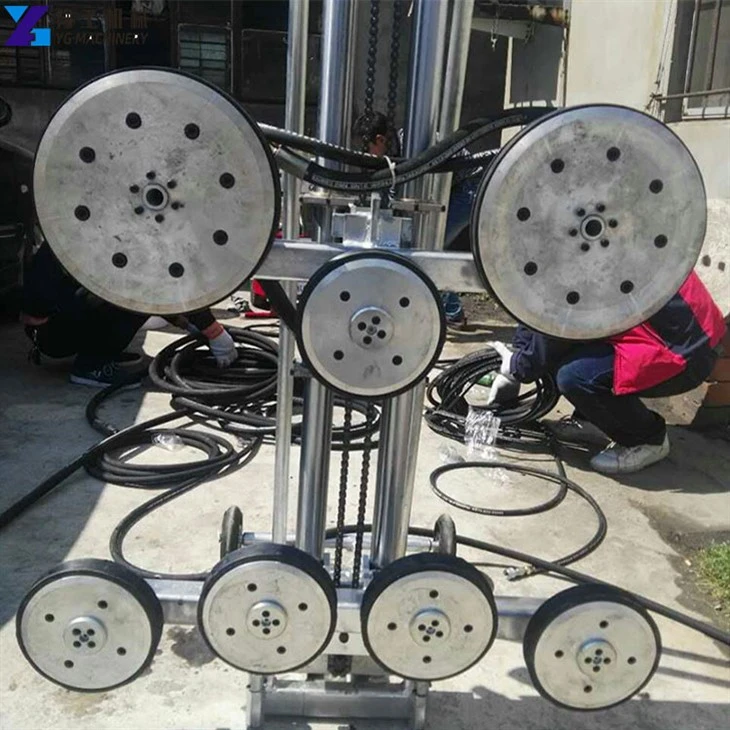

Tools You'll Need
Before you start adjusting the tension, you'll need a few tools. You'll need a tension gauge to measure the tension accurately. This tool is essential as it allows you to make precise adjustments. You'll also need a wrench or a similar tool to loosen or tighten the tensioning mechanism on your saw. Make sure you have these tools handy before you begin.
Step-by-Step Guide to Adjusting Wire Tension
Step 1: Inspect the Wire
Before you start adjusting the tension, take a close look at the wire. Check for any signs of wear, damage, or kinks. If you notice any issues, it's best to replace the wire before proceeding. A damaged wire won't cut properly, and adjusting the tension won't fix the underlying problem. You can find high-quality Diamond Wire Saw Rope on our website.
Step 2: Loosen the Tensioning Mechanism
Using your wrench, loosen the tensioning mechanism on your saw. This will allow you to adjust the length of the wire and, in turn, the tension. Be careful not to loosen it too much, as you don't want the wire to come off the pulleys.
Step 3: Measure the Initial Tension
Once the tensioning mechanism is loose, use your tension gauge to measure the initial tension of the wire. This will give you a baseline to work from. Write down the measurement so you can refer to it later.
Step 4: Adjust the Tension
Based on the measurement you took in Step 3, start adjusting the tension. If the tension is too low, tighten the tensioning mechanism using your wrench. If it's too high, loosen the mechanism. Make small adjustments at a time and re-measure the tension after each adjustment. This will help you get the tension just right.
Step 5: Check the Alignment
While you're adjusting the tension, it's also a good idea to check the alignment of the wire. Make sure it's running smoothly on the pulleys and that there are no signs of rubbing or binding. If you notice any issues, adjust the position of the pulleys or the guide wheels as needed.
Step 6: Test the Saw
Once you're satisfied with the tension and alignment, it's time to test the saw. Start the saw and make a few test cuts on a scrap piece of material. Pay attention to how the saw performs. If the cuts are smooth and the saw is running smoothly, you've got the tension right. If not, go back and make further adjustments.
Tips for Maintaining Proper Wire Tension
- Regular Checks: Make it a habit to check the wire tension regularly, especially before starting a new cutting job. This will help you catch any issues early and prevent problems down the line.
- Follow the Manufacturer's Recommendations: Every hydraulic wire saw is different, so it's important to follow the manufacturer's recommendations for wire tension. These recommendations can usually be found in the user manual.
- Keep the Saw Clean: A clean saw will perform better and last longer. Make sure to clean the pulleys, guide wheels, and other components regularly to prevent debris from affecting the wire tension.
Conclusion
Adjusting the tension of the wire in a hydraulic wire saw is an important skill that every user should master. By following the steps outlined in this blog post and keeping these tips in mind, you can ensure that your saw performs at its best and that your wire lasts as long as possible.
If you're in the market for a high-quality hydraulic wire saw, we've got you covered. Check out our HF Wire Saw and Diamond Wire Saw For Concrete on our website. And if you have any questions or need further assistance, don't hesitate to contact us. We're here to help you make the right choice for your cutting needs.
References
- Manufacturer's user manuals for hydraulic wire saws
- Industry best practices for wire saw operation and maintenance