

Hey there! As a supplier of rock splitters, I often get asked about how to adjust the splitting force of a hydraulic rock splitter. It's a crucial aspect, especially when you're dealing with different types of rocks and varying job requirements. So, let's dive right into it!
Understanding the Basics of a Hydraulic Rock Splitter
First off, a hydraulic rock splitter is an awesome piece of equipment. It uses hydraulic pressure to generate a powerful splitting force, which helps break rocks into smaller pieces. This is way more efficient than traditional methods like using explosives or hammers. There are different types available, such as the Hydraulic Stone Splitter, Rock Splitter for Excavator, and Integrated Drill and Splitting Machine. Each type has its own unique features and applications, but the principle of adjusting the splitting force remains somewhat similar.
Factors Affecting the Splitting Force
Before we talk about how to adjust the splitting force, it's important to understand the factors that can affect it.
Rock Type
Different rocks have different levels of hardness and density. For example, granite is a very hard rock, while limestone is relatively softer. When splitting granite, you'll need a higher splitting force compared to limestone. So, the type of rock you're working with plays a major role in determining the required splitting force.
Hole Diameter and Depth
The diameter and depth of the holes you drill in the rock also matter. If the holes are too small or too shallow, the rock splitter may not be able to generate enough force to break the rock effectively. On the other hand, if the holes are too large or too deep, it can waste hydraulic pressure and reduce the overall efficiency.
Hydraulic System Pressure
The pressure in the hydraulic system is directly related to the splitting force. A higher hydraulic pressure will result in a greater splitting force. However, you need to be careful not to exceed the maximum pressure rating of the rock splitter, as it can damage the equipment.
Adjusting the Splitting Force
Checking the Hydraulic System
The first step in adjusting the splitting force is to check the hydraulic system. Make sure the hydraulic fluid level is correct. If the fluid level is low, it can cause a drop in pressure and reduce the splitting force. Also, check for any leaks in the hydraulic hoses or connections. Leaks can lead to a loss of pressure and affect the performance of the rock splitter.
Adjusting the Pressure Relief Valve
Most hydraulic rock splitters come with a pressure relief valve. This valve is used to control the maximum pressure in the hydraulic system. To adjust the splitting force, you can adjust the pressure relief valve. Usually, there's a knob or a screw on the valve that you can turn to increase or decrease the pressure.
If you need a higher splitting force, turn the knob or screw clockwise to increase the pressure. But remember, don't go over the maximum pressure limit specified by the manufacturer. If you want to reduce the splitting force, turn the knob or screw counter - clockwise.
Selecting the Right Tooling
Another way to adjust the splitting force is by selecting the right tooling. Some rock splitters come with different types of wedges or pistons. Thicker and larger wedges or pistons can generate a greater splitting force. So, depending on the rock type and the job requirements, you can choose the appropriate tooling.
Drilling the Right Holes
As mentioned earlier, the hole diameter and depth are important. Use a drill bit of the correct size to drill holes in the rock. The depth of the holes should also be appropriate. A general rule of thumb is to drill holes that are about 10 - 15% deeper than the length of the rock splitter's wedge or piston.
Testing and Fine - Tuning
After making the adjustments, it's time to test the rock splitter. Start with a small area and see how well the rock is being split. If the rock doesn't break easily, it may mean that the splitting force is too low. In that case, you can go back and make further adjustments to the pressure relief valve or check the hole diameter and depth.
If the rock is being broken too violently or if there are signs of damage to the rock splitter, the splitting force may be too high. Reduce the pressure and try again. Keep testing and fine - tuning until you achieve the optimal splitting force.
Safety Considerations
When adjusting the splitting force of a hydraulic rock splitter, safety should always be your top priority.
Wear Protective Gear
Always wear appropriate protective gear, such as safety glasses, gloves, and hard hats. The process of splitting rocks can generate flying debris, which can cause serious injuries.
Follow the Manufacturer's Instructions
Read and follow the manufacturer's instructions carefully. The instructions will provide you with important information about the maximum pressure, maintenance, and safety procedures.
Be Aware of the Surroundings
Make sure there are no people or objects in the vicinity when operating the rock splitter. The sudden release of the splitting force can cause the rock to break in unexpected directions.
Conclusion
Adjusting the splitting force of a hydraulic rock splitter is not that difficult once you understand the factors involved and the proper procedures. By checking the hydraulic system, adjusting the pressure relief valve, selecting the right tooling, and drilling the right holes, you can ensure that your rock splitter performs at its best.

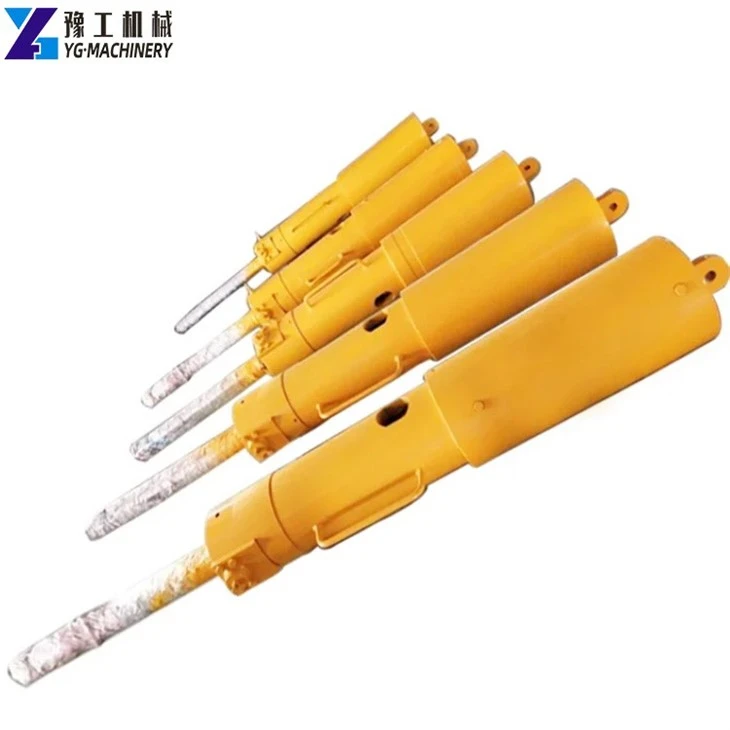
If you're in the market for a high - quality rock splitter or need more advice on adjusting the splitting force, feel free to reach out to us. We're here to help you find the perfect solution for your rock - splitting needs.
References
- Manufacturer's manuals of hydraulic rock splitters
- Industry standards for hydraulic equipment
- Technical articles on rock - splitting technology