

Hey there! As a supplier of sandblasting machines, I often get asked about how much abrasive material a sandblasting machine consumes. It's a crucial question, especially for those looking to manage costs and ensure efficient operations. So, let's dive right in and explore this topic in detail.
First off, the consumption of abrasive material in a sandblasting machine depends on several factors. One of the most significant factors is the type of sandblasting machine you're using. For instance, a Dry Sandblasting Machine typically has a different consumption rate compared to a Spinner Hanger Shot Blasting Machine or a Dustless Sandblasting Machine.
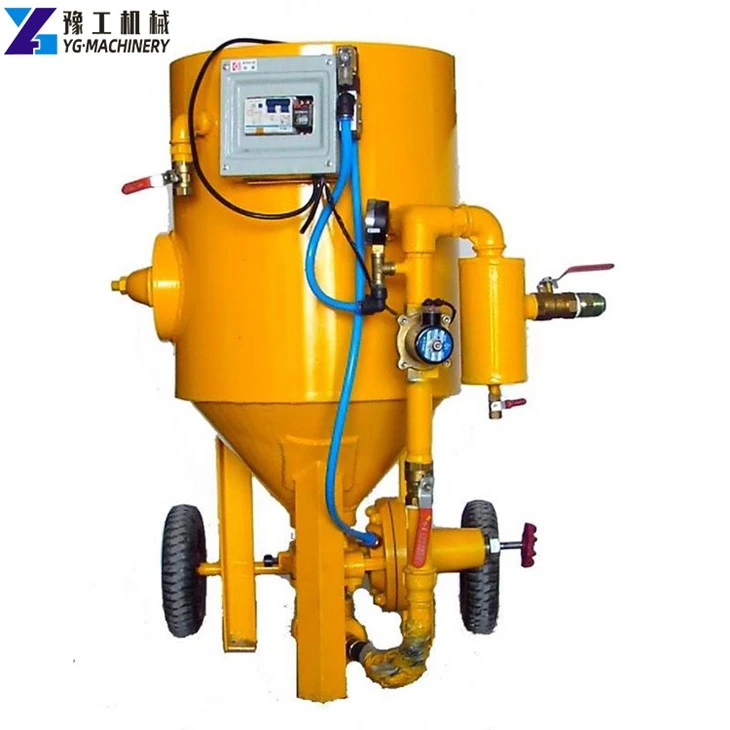
Dry sandblasting machines are one of the most common types out there. They work by propelling dry abrasive material at high speeds to clean or prepare surfaces. The consumption of abrasive in these machines can vary based on the size of the nozzle, the pressure at which the abrasive is propelled, and the nature of the surface being blasted. A larger nozzle will generally use more abrasive material, as it allows for a wider stream of abrasive to be released. Similarly, higher pressure settings will also increase the consumption rate, as more abrasive is forced out of the machine in a shorter period.
Let's say you're using a dry sandblasting machine with a standard-sized nozzle and a moderate pressure setting to clean a rusty metal surface. In this case, you might find that you're using around 10 - 15 pounds of abrasive material per hour. However, if you're blasting a larger surface area or a more stubborn coating, the consumption rate could go up to 20 - 30 pounds per hour.
On the other hand, spinner hanger shot blasting machines are designed for more heavy - duty applications, such as cleaning large metal parts or castings. These machines use a spinning wheel to throw the abrasive material at the surface. The consumption in spinner hanger shot blasting machines is often higher than in dry sandblasting machines, mainly because they are built to handle larger volumes of abrasive. A typical spinner hanger shot blasting machine might consume anywhere from 50 to 100 pounds of abrasive per hour, depending on the size of the parts being blasted and the intensity of the blasting operation.
Dustless sandblasting machines are a great option for those who are concerned about environmental and health issues related to dust. These machines work by mixing the abrasive material with water, which helps to suppress dust. The consumption of abrasive in dustless sandblasting machines can be a bit tricky to estimate. On one hand, the water - abrasive mixture can sometimes reduce the overall amount of abrasive needed, as the water helps to carry the abrasive and can enhance its cleaning power. On the other hand, the presence of water might require a more consistent flow of the mixture, which could potentially increase the consumption. Generally, a dustless sandblasting machine might consume around 15 - 25 pounds of abrasive per hour, but this can vary based on the specific model and the application.
Another factor that affects abrasive consumption is the type of abrasive material being used. There are various types of abrasives available, such as sand, steel shot, glass beads, and aluminum oxide. Each type has its own characteristics and efficiency levels. For example, sand is a common and relatively inexpensive abrasive, but it tends to break down more quickly during the blasting process, which means you might need to use more of it to achieve the desired results. Steel shot, on the other hand, is more durable and can be reused multiple times, which can reduce the overall consumption in the long run.

The hardness and density of the surface being blasted also play a role in abrasive consumption. If you're blasting a hard and dense surface, like granite or thick steel, you'll likely need more abrasive to remove any coatings or impurities. Softer surfaces, such as wood or thin metal sheets, will generally require less abrasive.
To manage abrasive consumption effectively, there are a few tips I can share. First, make sure to choose the right type of abrasive for your specific application. Don't just go for the cheapest option; consider the durability and efficiency of the abrasive. Second, adjust the pressure and nozzle settings of your sandblasting machine according to the surface you're working on. Using the right settings can help you achieve the best results with the least amount of abrasive. Third, regularly maintain your sandblasting machine. A well - maintained machine will operate more efficiently and can help reduce unnecessary abrasive consumption.
If you're in the market for a sandblasting machine and want to know more about abrasive consumption and how it relates to your specific needs, don't hesitate to reach out. We've got a wide range of sandblasting machines, including Dry Sandblasting Machine, Spinner Hanger Shot Blasting Machine, and Dustless Sandblasting Machine. Our team of experts can provide you with detailed information and help you make an informed decision. Whether you're a small - scale contractor or a large industrial operation, we're here to assist you in finding the perfect sandblasting solution for your business.
In conclusion, understanding how much abrasive material a sandblasting machine consumes is essential for cost - effective and efficient operations. By considering the type of machine, the type of abrasive, and the nature of the surface being blasted, you can better estimate and manage your abrasive consumption. So, if you're interested in learning more or making a purchase, get in touch with us, and let's start a conversation about your sandblasting needs.
References:
- Industry knowledge and experience in sandblasting machine supply
- General understanding of sandblasting technology and abrasive materials